Best Approach Shoes
List of Best Approach Shoes


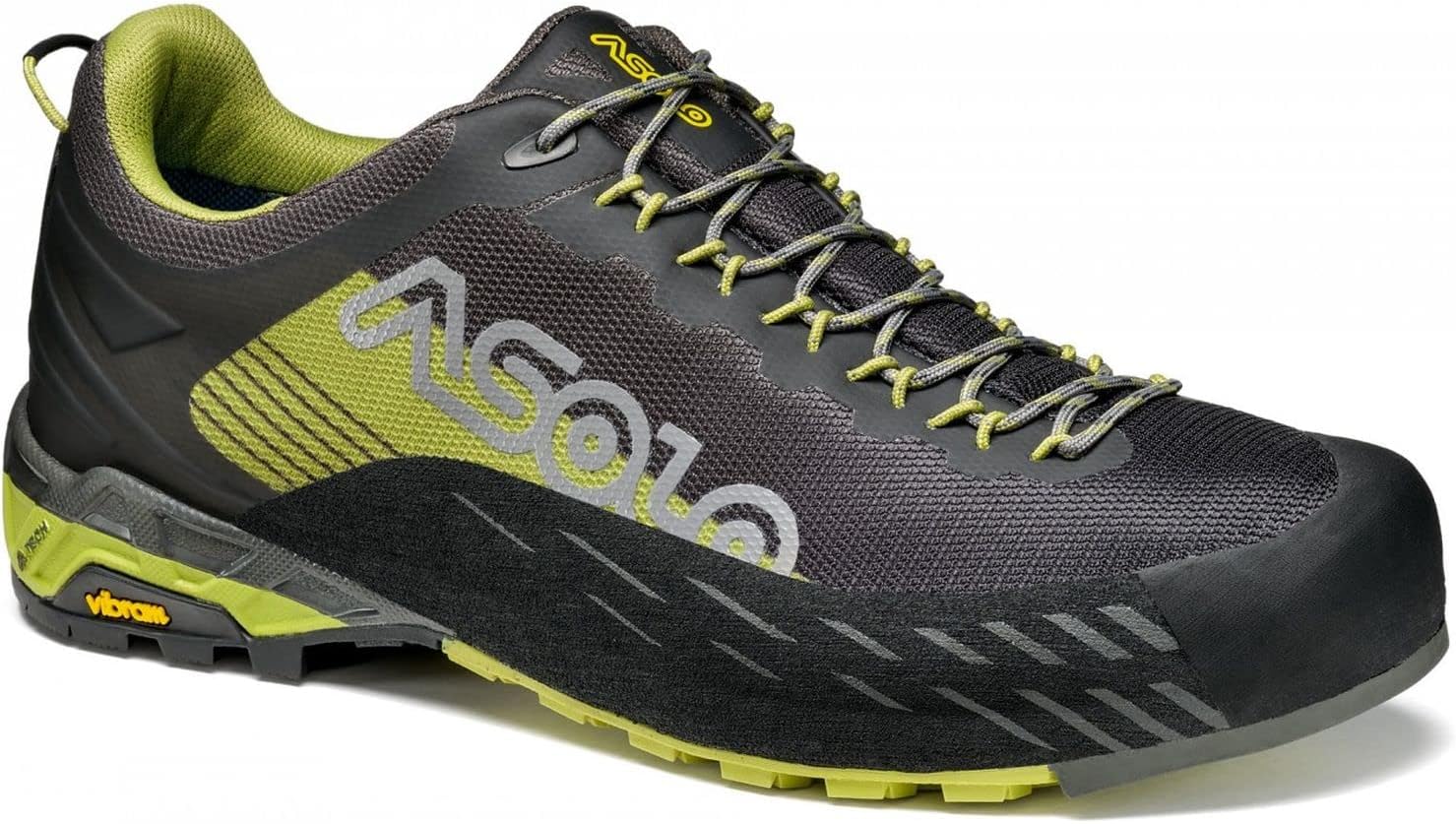
List of Best Men


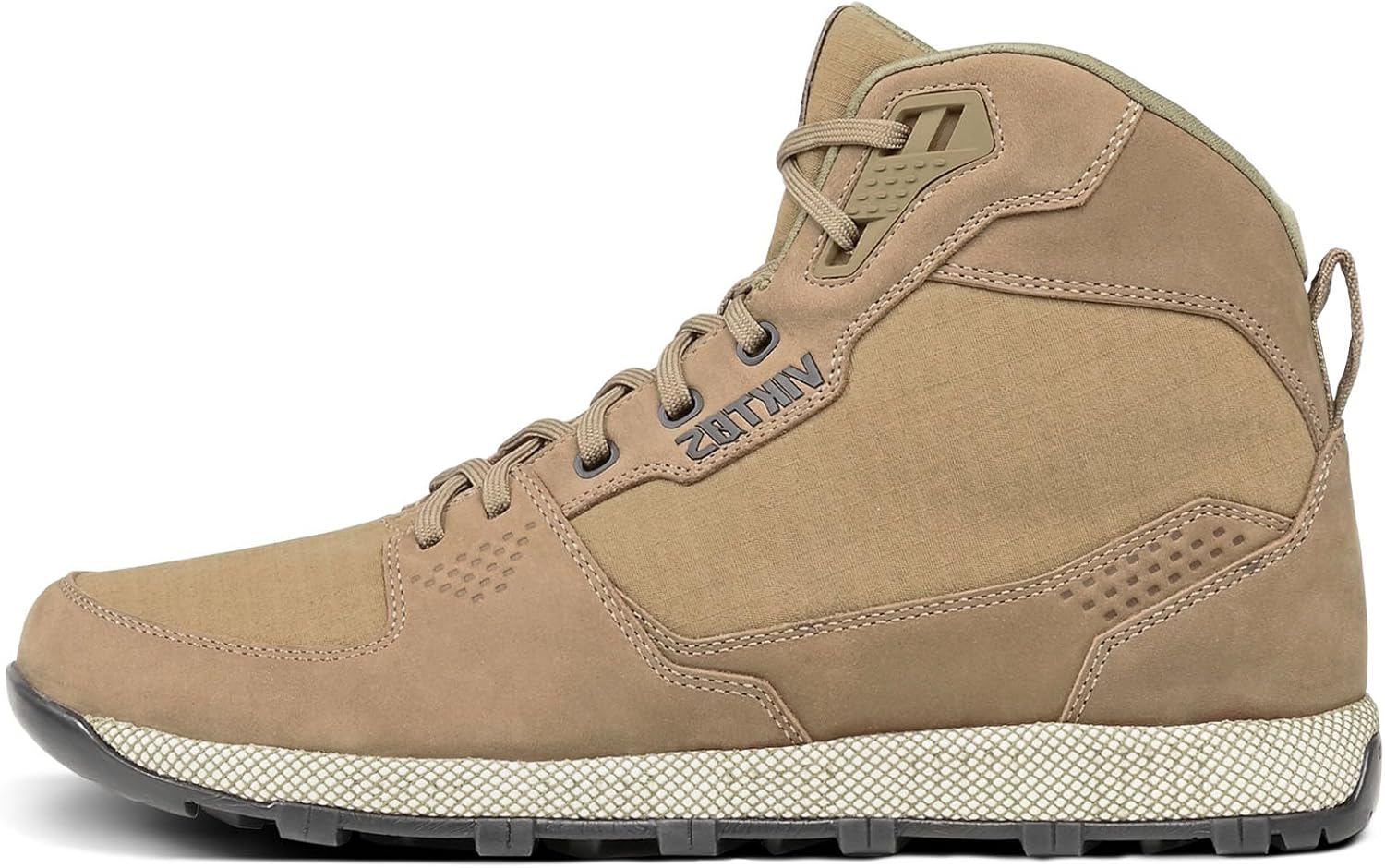

List of Best Women


FAQ
Approach shoes are designed for versatility, combining the grip of climbing shoes with the comfort of hiking footwear. Their sticky rubber soles provide traction on rocky terrains, making them essential for climbers and hikers alike. This hybrid design allows users to transition smoothly from walking to climbing, particularly in environments where traditional hiking boots may not perform well.
The comfort level of approach shoes can vary based on activity duration and terrain. Generally, these shoes can be worn for a full day of hiking or climbing, provided they fit properly. However, if you're engaging in strenuous activities like bouldering or extensive scrambling, it's advisable to take breaks to avoid fatigue and ensure optimal foot health over time.
Men should look for approach shoes that offer a balance between support and flexibility, especially when navigating rocky paths. A secure fit is vital, as it enhances control during climbs. Additionally, considering the shoe's weight can help reduce fatigue, particularly for longer routes or multi-pitch climbs in diverse settings, such as alpine or crag locations.
Women should focus on finding a pair that offers a snug fit and excellent grip tailored to their foot shape. Look for lightweight models with cushioning for maximum comfort during prolonged wear, which is essential when traversing uneven surfaces. Shoes with added arch support can also benefit those who plan to engage in extended hikes or climbs.
To find the correct fit, try shoes on with the socks you intend to wear during activities. Ensure there’s minimal heel lift and that your toes comfortably reach the front without feeling cramped. Remember that different brands may have variations in sizing, so it's beneficial to test a few pairs, especially if you plan on using them for demanding adventures.
Yes, approach shoes can be effectively used for both indoor climbing and outdoor adventures. Their design provides sufficient grip on artificial surfaces while also performing well on natural rock. However, for intensive indoor climbing sessions, you might prefer dedicated climbing shoes for enhanced performance.
To maintain your approach shoes, regularly clean them after use by removing dirt and debris, especially from the soles. Avoid exposing them to extreme temperatures or direct sunlight for prolonged periods, as this can degrade materials. If they get wet, let them dry naturally at room temperature rather than using artificial heat, which can compromise their integrity.
Approach shoes excel in environments like rocky trails, mountainous regions, or mixed terrains where hikers may need to scramble over boulders. They are particularly effective in areas with variable weather conditions, providing traction on wet or uneven surfaces while maintaining comfort during long treks in remote settings.