Best Trail Running Shoes
List of Best Trail Running Shoes


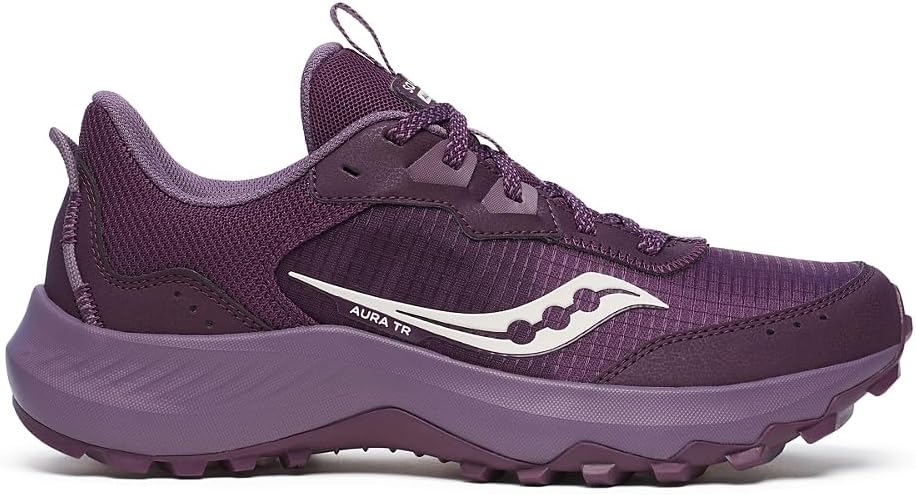


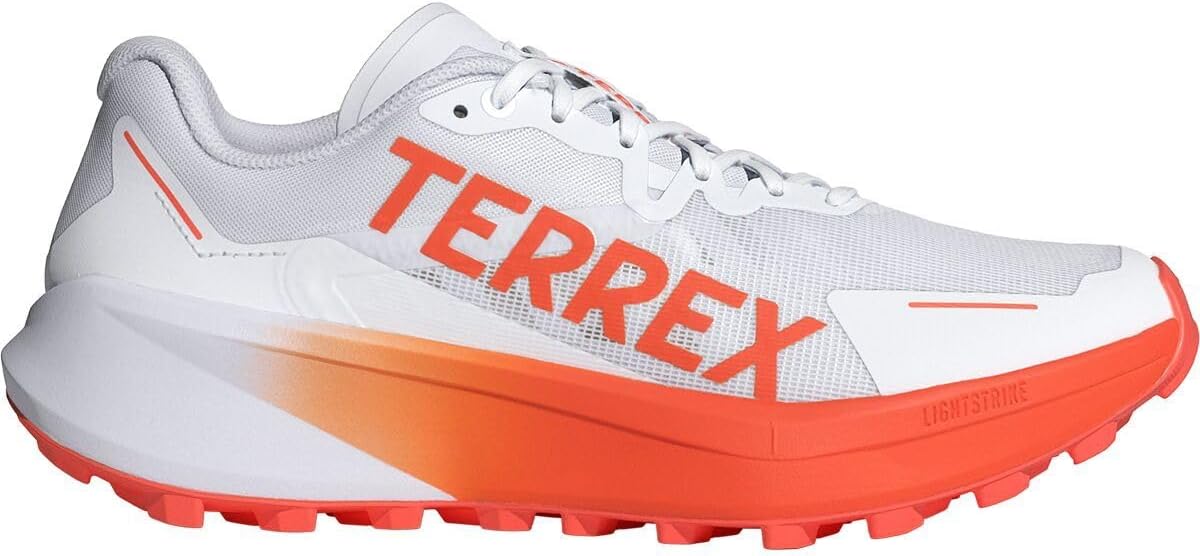
List of Best Men
List of Best Women
FAQ
When selecting trail running footwear, it's essential to consider traction, cushioning, and stability. The terrain type—be it rocky, muddy, or soft grass—can significantly affect your comfort and safety. Proper grip on uneven surfaces can prevent slips, while adequate cushioning helps absorb impact, particularly during longer runs.
Typically, you can wear trail running shoes for several hours, depending on their fit and the terrain. Shoes designed for rugged trails usually offer ample support, yet fatigue may set in after extended use, especially on challenging courses. It's advisable to test them on shorter runs before attempting a full-day adventure.
Men's trail running shoes often feature a more robust build with enhanced support for heavier frames. Models that prioritize breathability and durability are ideal for various conditions, from wet trails to dry, rocky paths. Look for options that provide excellent grip and stability to enhance performance during runs.
To find the right fit for trail running footwear, measure both feet at the end of the day when they are most swollen. Ensure there’s about a thumb's width of space between your longest toe and the shoe's end. An appropriate fit prevents blisters and ensures comfort over long distances on uneven ground.
Trail running shoes excel on uneven surfaces like forest paths, mountain trails, and sandy beaches. They are specifically designed to handle varying terrains, providing necessary support and traction. Choosing the right pair enhances your experience whether you're navigating through roots and rocks or on smoother dirt tracks.
To maintain trail running shoes, clean them after each use by removing dirt with a soft brush and washing the insoles as needed. Allow them to air dry away from direct sunlight to prevent material degradation. Regularly checking for worn-out soles will help determine when it’s time for replacements.
Comfort is influenced by several factors, including shoe design, padding, and flexibility. A shoe that allows for natural foot movement while providing adequate cushioning can significantly reduce discomfort during long runs. Consider features such as moisture-wicking materials and breathable mesh to enhance overall comfort, especially in warmer environments.
Women's trail running shoes typically feature designs that cater to narrower feet and different arch shapes. Look for models that offer excellent cushioning and support, tailored for female athletes' anatomical needs. These considerations can greatly enhance performance, especially during varied outdoor conditions.