Best Ballet Dance Shoes
List of Best Ballet Dance Shoes


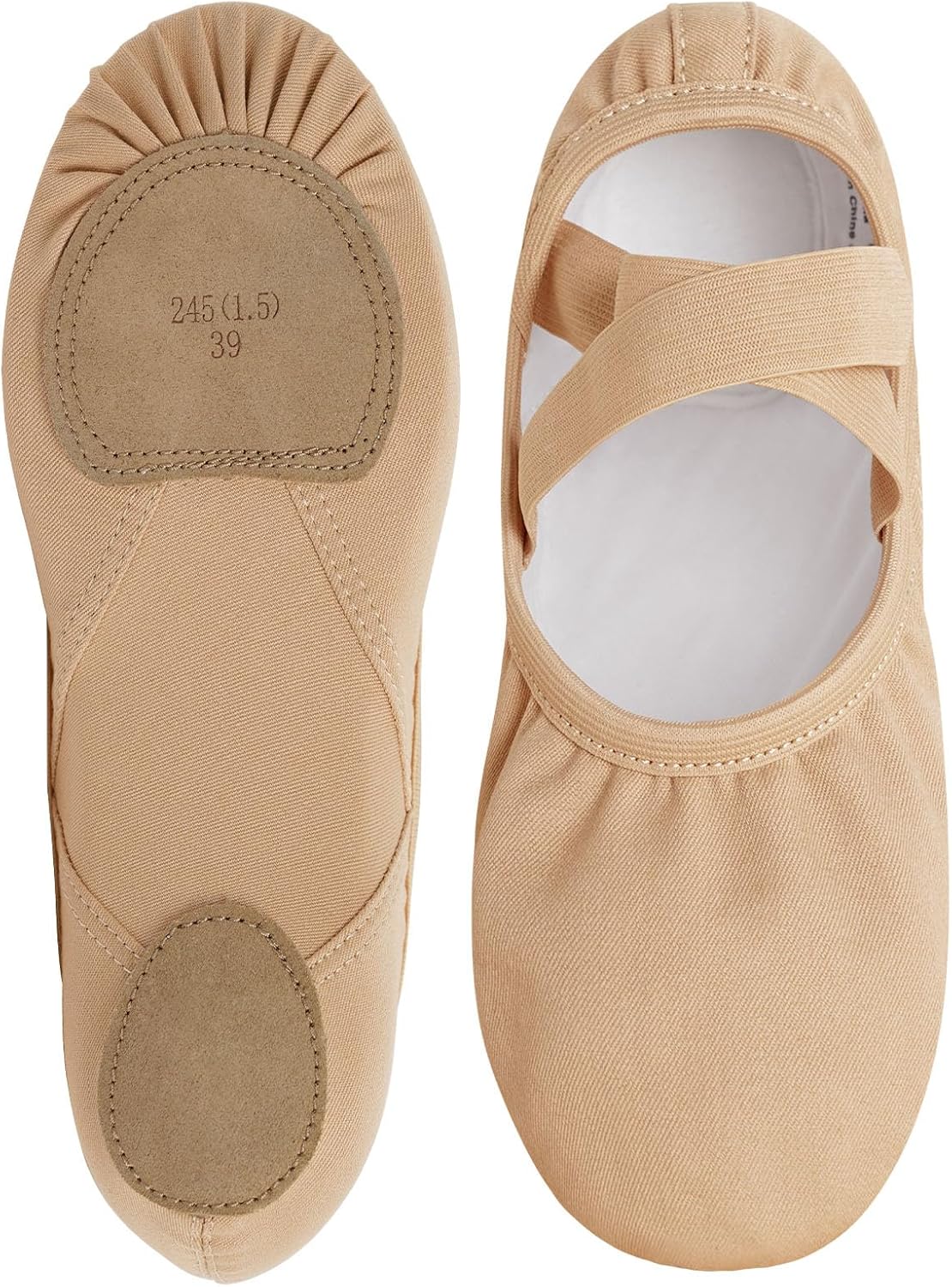


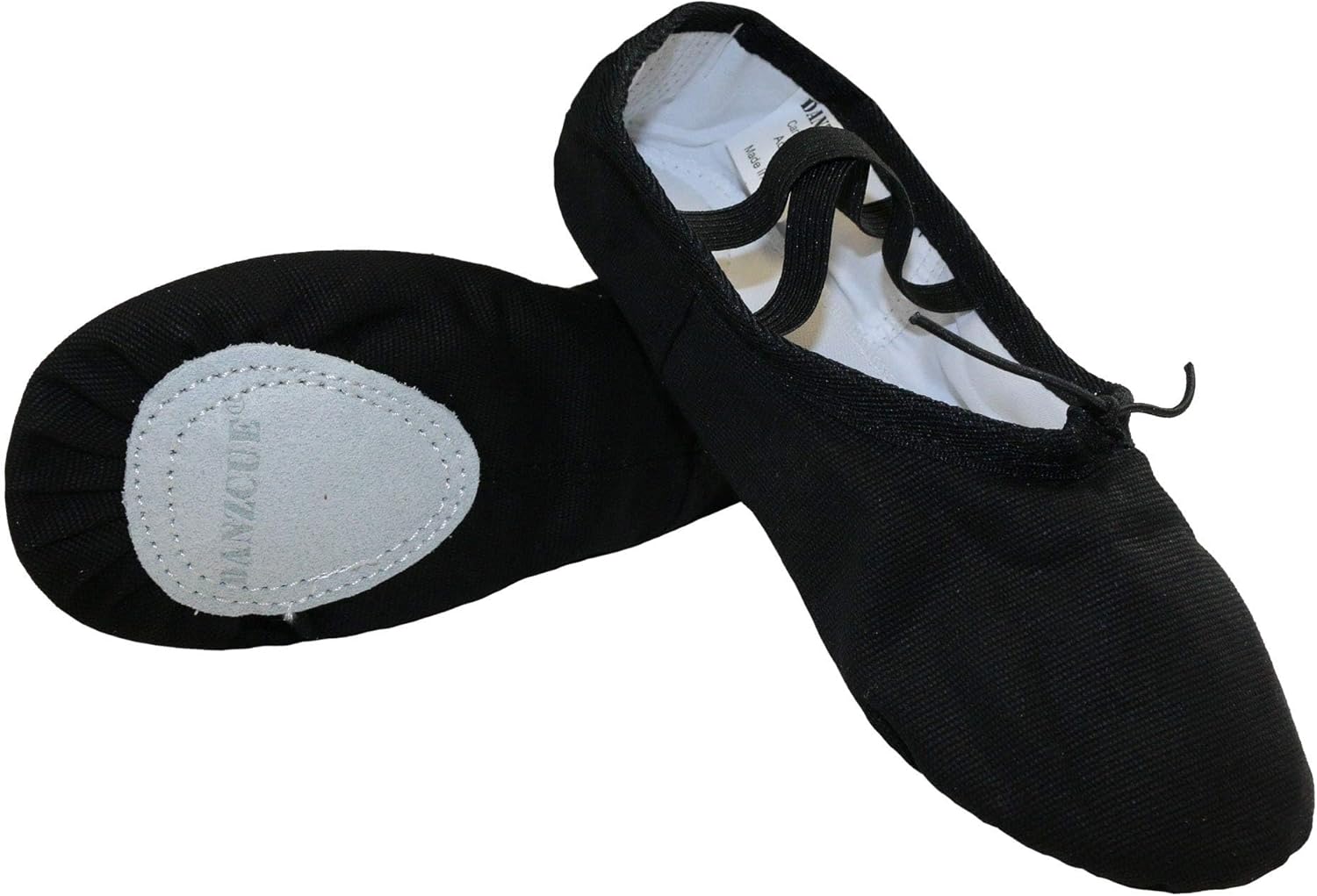


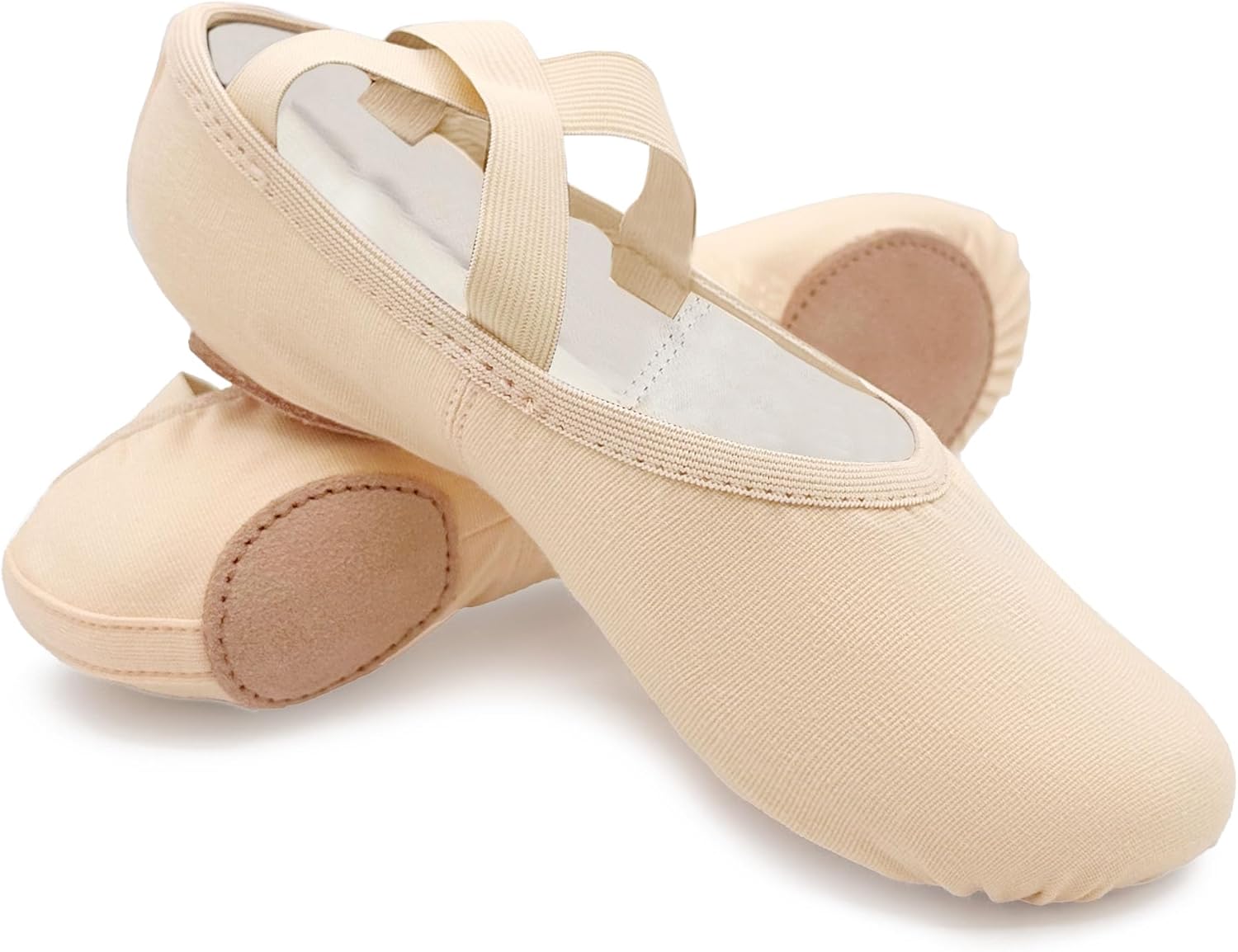
List of Best Toddler
List of Best Girls
List of Best Women
List of Best Pink
List of Best Capezio
FAQ
When selecting ballet shoes, it's important to consider the fit, material, and style. A snug fit is essential for good control during movements like pliés and tendus, while materials like canvas or leather can affect durability and flexibility. Quality shoes enhance performance by allowing dancers to balance better and execute movements more precisely.
The comfort of ballet shoes can vary based on the duration of wear and activity level. For a typical practice session lasting one to two hours, ensure your shoes provide adequate support to minimize fatigue. If you'll be dancing for longer periods, especially in performances with extensive choreography, prioritize shoes that reduce pressure points and allow for greater mobility.
For toddlers, look for ballet shoes made from soft materials like canvas or leather that offer both flexibility and protection. Shoes with an elastic strap are ideal to keep them securely in place, especially during active play in classes. Ensuring they have a good grip will help maintain safety during introductory moves.
To find the right size, measure the child's foot length and width, then refer to the brand's sizing chart. Keep in mind that ballet shoes should fit snugly without pinching; ideally, there should only be a slight margin for growth. It's advisable to try on shoes while wearing tights to accurately assess how they conform to the foot shape.
For outdoor performances, particularly on grass or uneven surfaces, consider shoes designed with reinforced soles that provide stability and traction. Canvas ballet slippers may not be ideal due to their lack of durability outdoors; instead, look for hybrid styles or options with added grip to prevent slips and ensure comfort during longer routines.
To prolong the life of your ballet shoes, avoid wearing them outside and store them in a breathable bag after use. Regularly air out shoes to prevent odors and allow moisture to escape. Clean them gently with a damp cloth or specialized cleaner, and let them dry at room temperature to maintain their shape and material integrity.
Popular brands such as Capezio and Bloch are favored for their quality craftsmanship and innovative designs. Capezio, for instance, often utilizes advanced materials that enhance flexibility and comfort, making them suitable for long rehearsals. Women looking for durability and style in their ballet shoes will benefit from these brands' extensive offerings tailored to various skill levels.
While traditional pink ballet shoes are commonly preferred for class and performances, many schools and companies accept alternative colors. Darker shades or custom designs may also be chosen for specific roles or personal expression. Ultimately, the choice should align with school policies and the dancer’s preferences, especially for recitals and showcases.