Best Clay Court Tennis Shoes
List of Best Clay Court Tennis Shoes
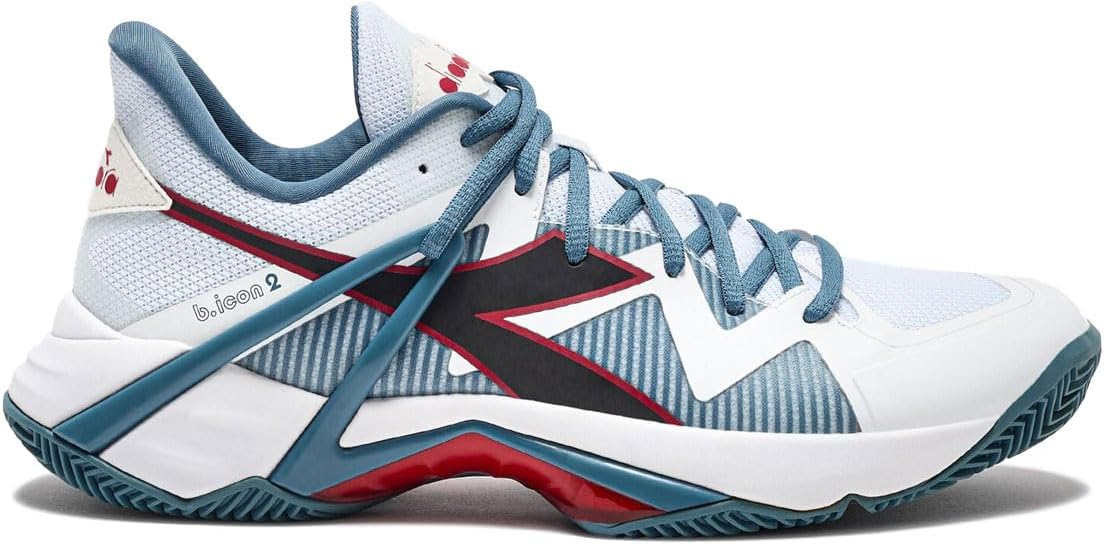


List of Best Women


List of Best Man


FAQ
When selecting the right footwear for clay surfaces, it's essential to consider traction and stability. Clay courts can be slippery, so shoes with a herringbone tread pattern provide better grip while allowing for easy movement. Additionally, ensure that the shoe fits snugly to prevent slippage during side-to-side movements.
You can typically wear quality clay court tennis shoes for several hours during matches or practice sessions. However, comfort may diminish over time due to foot fatigue, especially if you are navigating quick lateral movements. It's advisable to take breaks and evaluate how your feet feel after extended wear to maintain optimal performance.
Footwear designed for women often incorporates specific design elements to suit their anatomical differences, such as a narrower heel and more room in the toe box. This ensures improved fit and comfort, especially during dynamic movements like running and pivoting on the court.
To determine the correct size, measure your foot length and width, ideally at the end of the day when your feet are slightly swollen. Consider trying on shoes with the same type of socks you'll wear while playing. Remember that different brands may have variations, so always check their sizing charts before purchasing.
Clay court footwear is primarily designed for outdoor use but can also be effective indoors on similar surfaces. If you're playing on a grass or hard court, it's best to use specialized shoes for those materials instead, as the tread patterns differ significantly in providing adequate traction.
To extend the life of your footwear, it’s important to clean them regularly. After each use, remove any clay residue from the soles by gently brushing them or rinsing under water. Additionally, allow them to air dry away from direct sunlight to prevent material degradation.
Wearing specialized footwear helps enhance your performance and reduce the risk of injury. The right shoes provide the necessary support and cushioning against the harder surface of the clay, which can be challenging on your joints during prolonged play. This is particularly crucial in high-intensity matches.
While you technically can wear general tennis shoes on clay, they may not offer the best performance due to differing sole patterns and grip. Using shoes specifically designed for clay will help you maintain better control and minimize slipping, especially if you plan to play frequently on this surface.