Best Climbing Shoes
List of Best Climbing Shoes
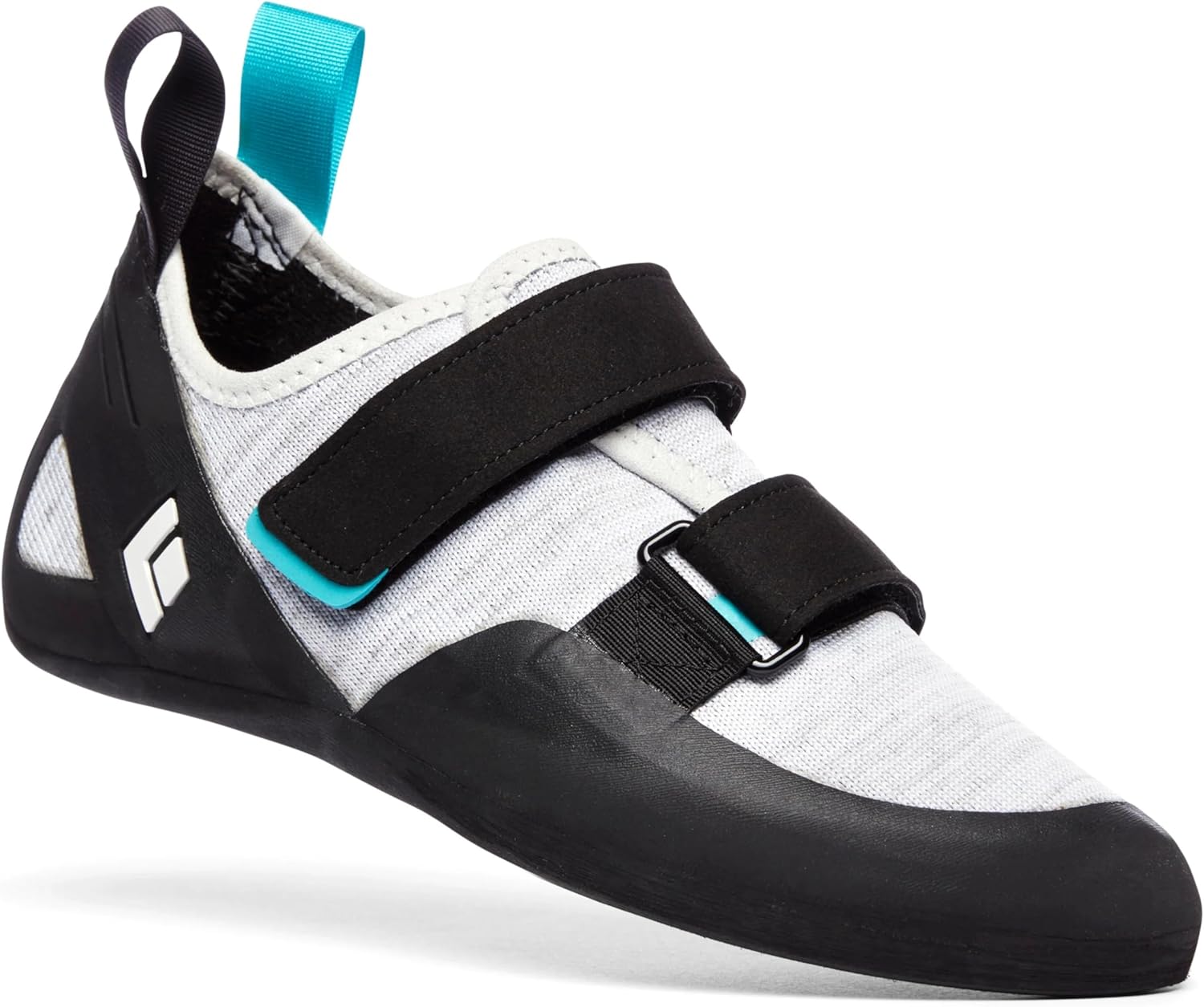


List of Best Climbing Shoes Men
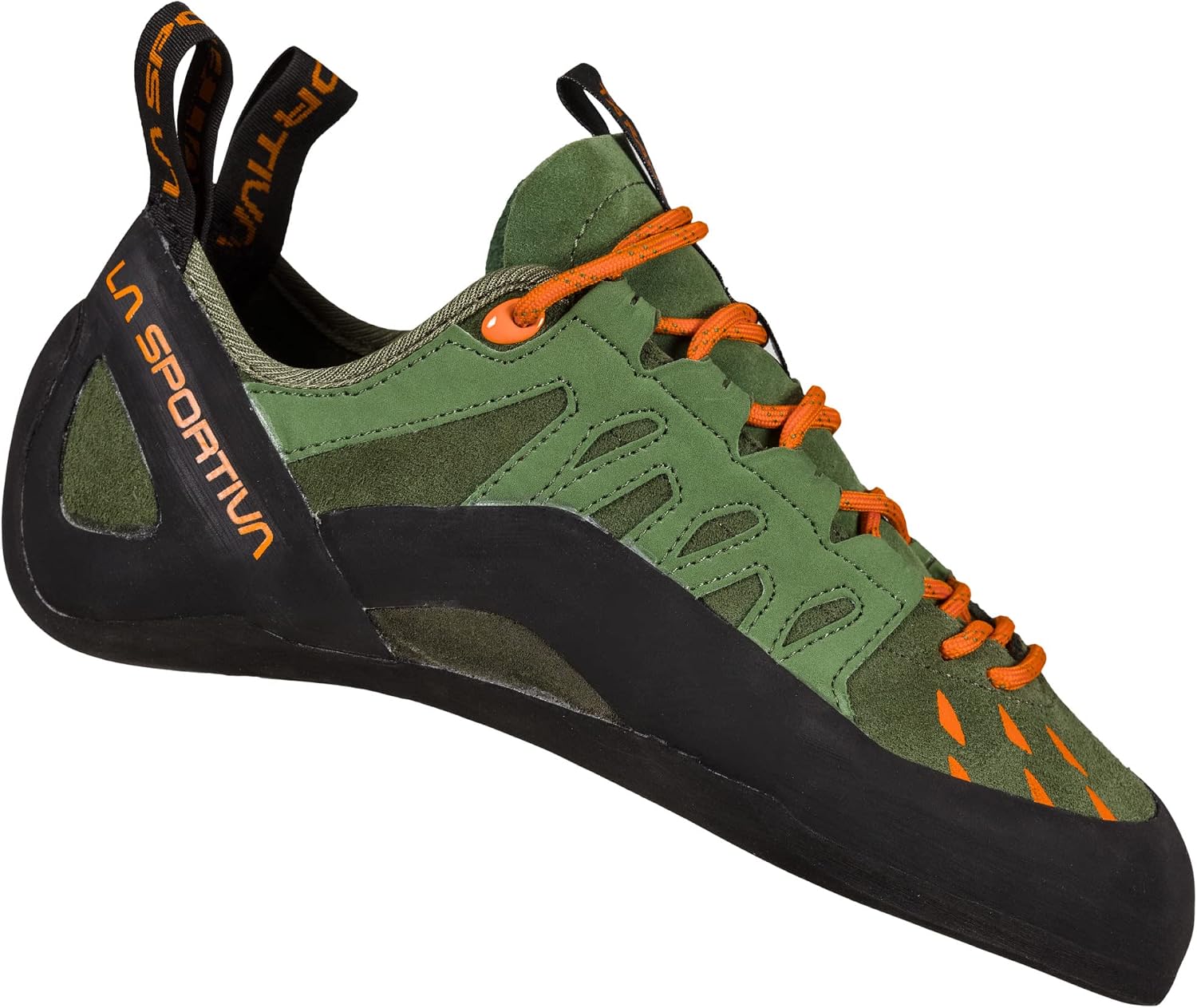

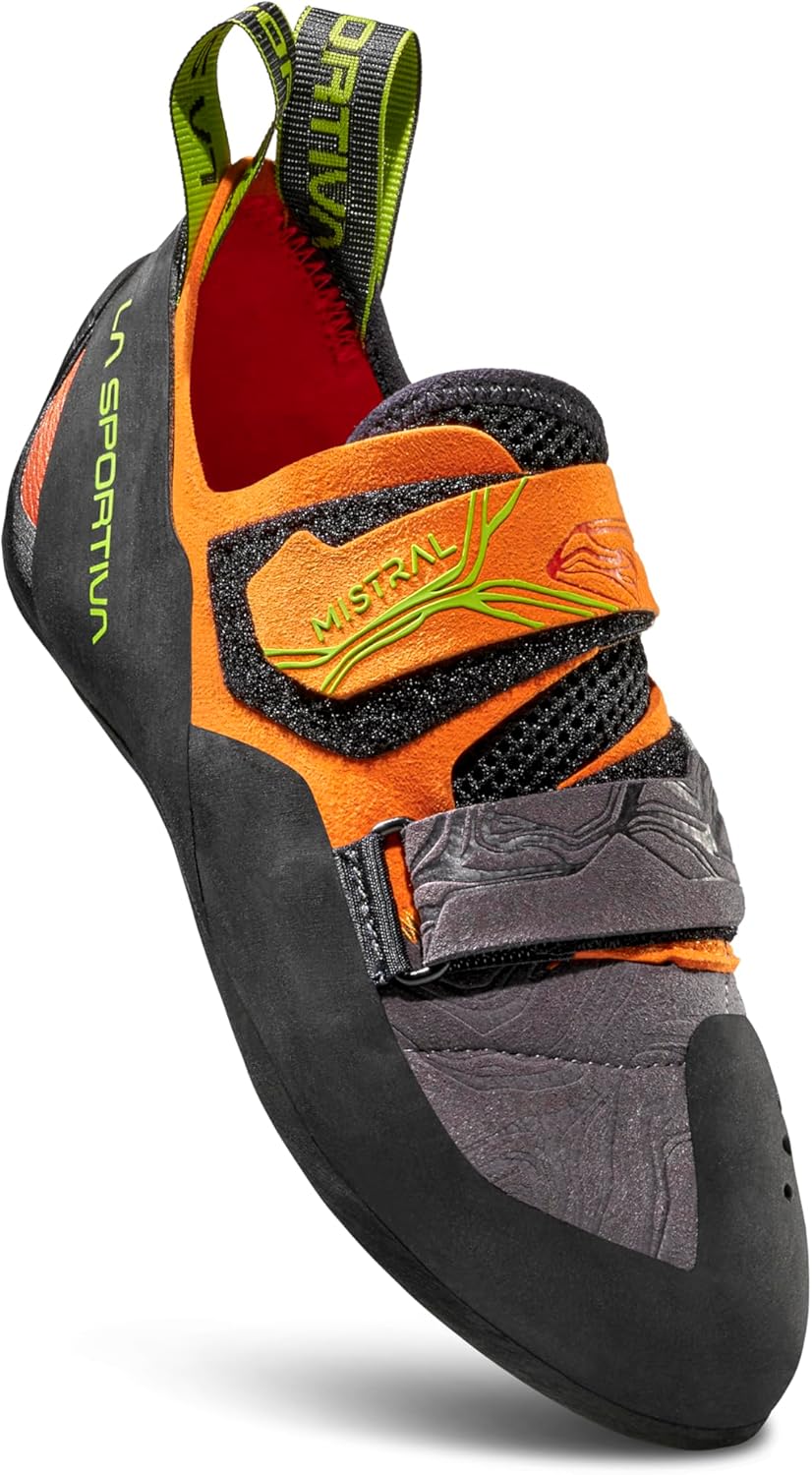


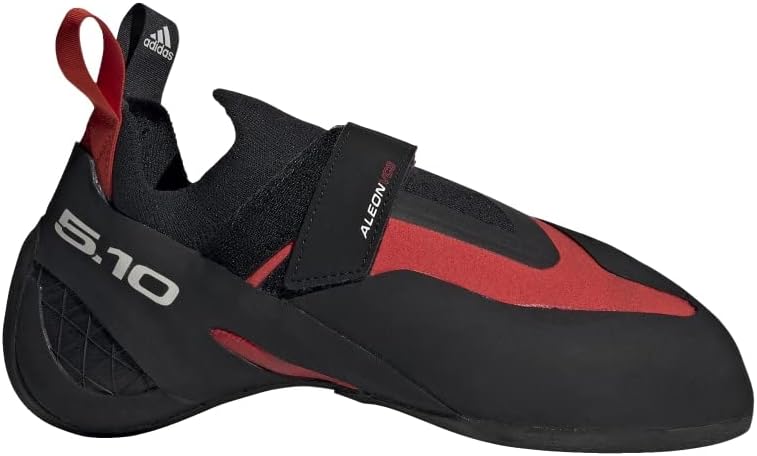

List of Best Climbing Shoes Women
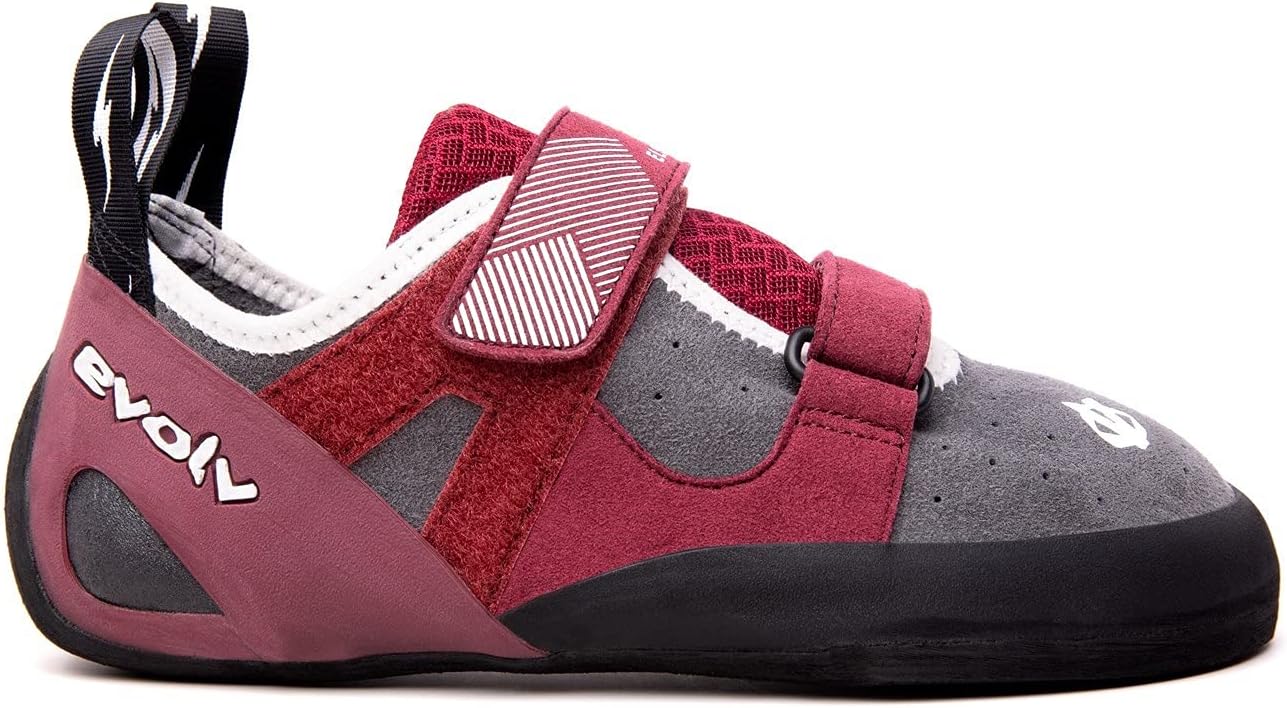


List of Best Climbing Shoes Kids
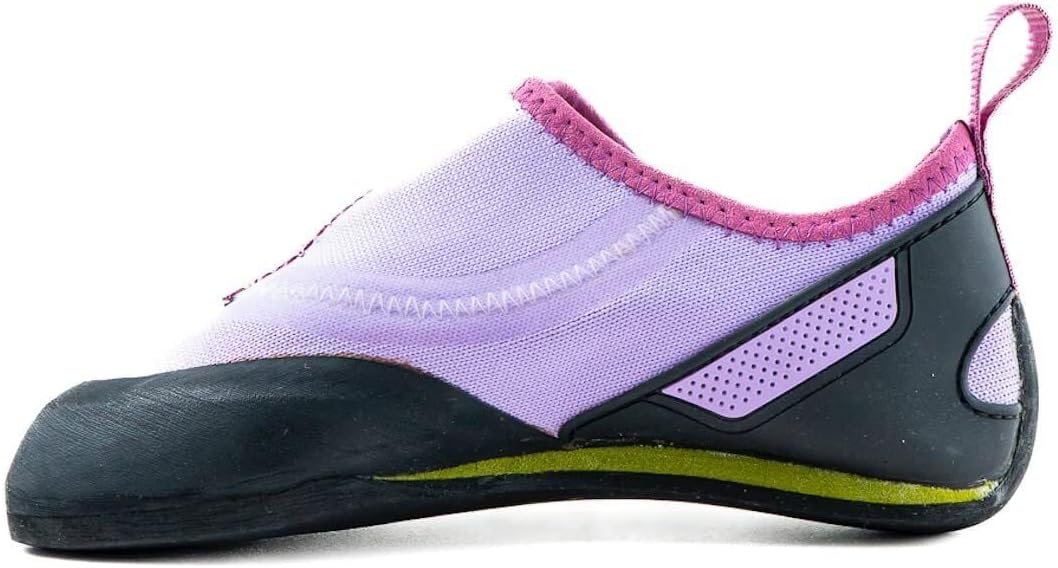
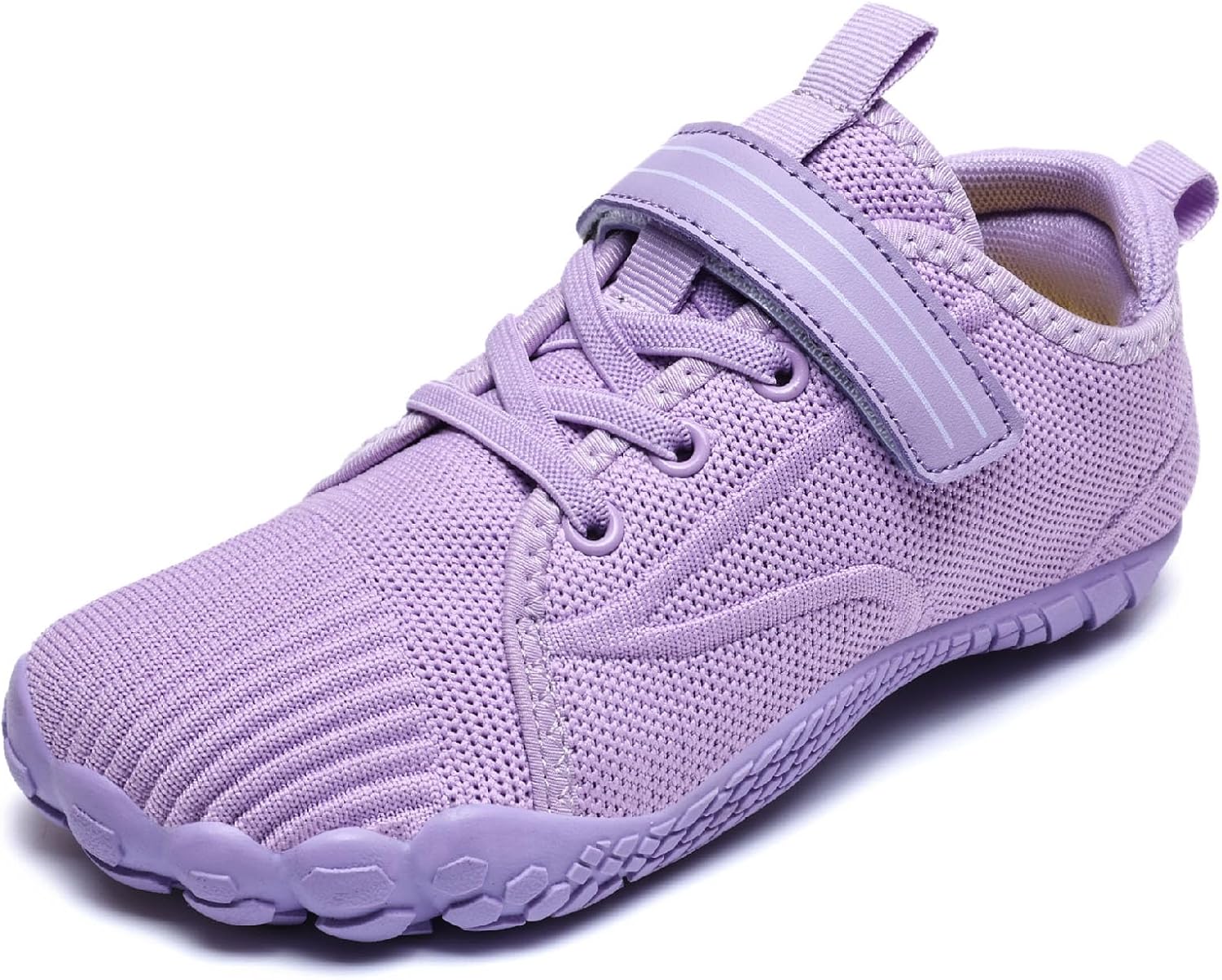

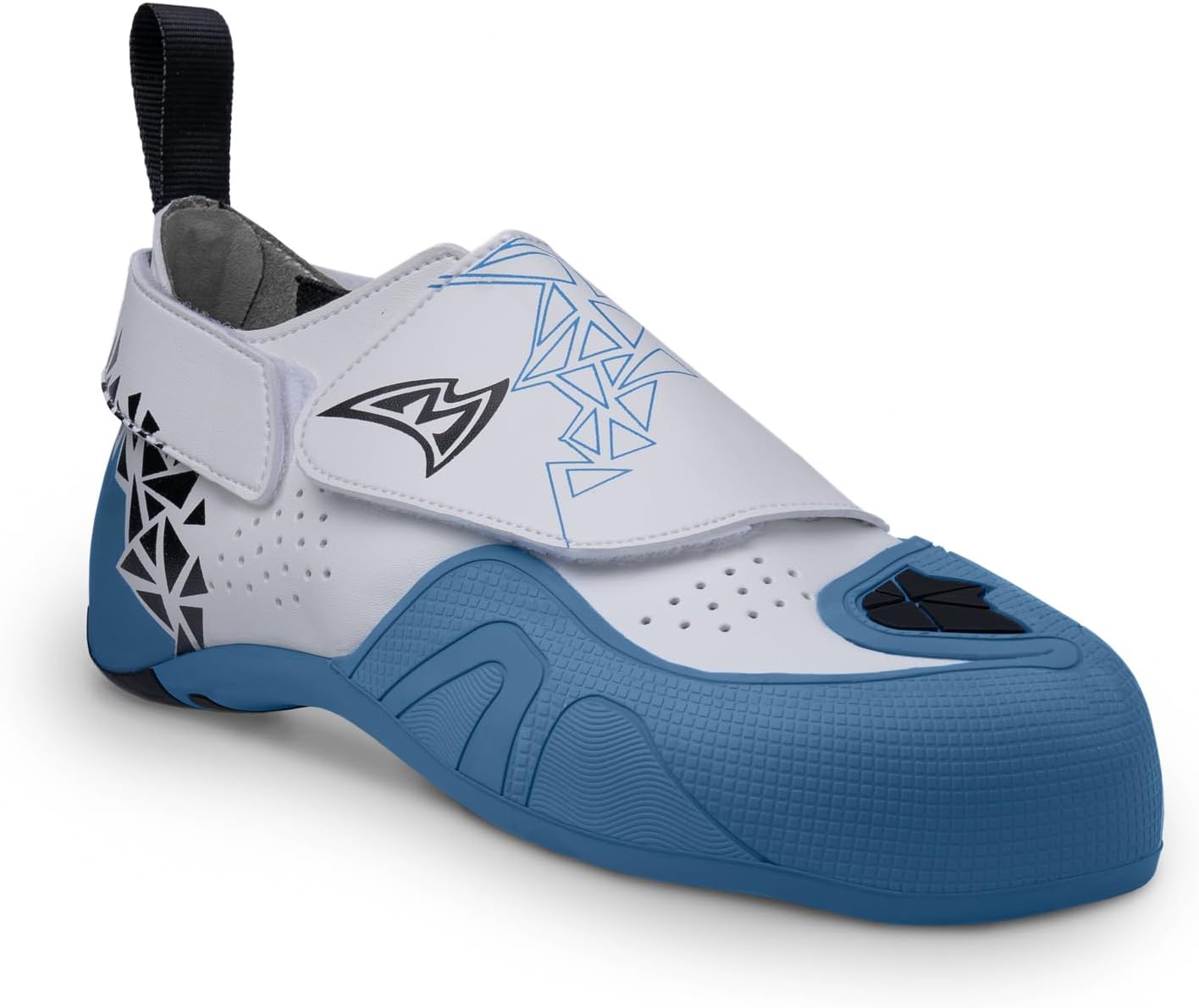
List of Best Climbing Shoes Bouldering




FAQ
When choosing climbing footwear, prioritize fit, stiffness, and rubber quality. A snug fit enhances precision on footholds, while stiffer soles provide better support during prolonged climbs. High-friction rubber is crucial for grip on various surfaces, whether you're tackling a bouldering problem or scaling a sandstone cliff.
Climbing shoes should be worn for as long as your foot comfort allows; most climbers manage 2-4 hours during indoor sessions or outdoor climbs. Be mindful of fatigue and pressure points, especially if you plan to boulder or engage in multi-pitch routes that require extended wear.
Women's climbing shoes typically offer a narrower fit at the heel and are structured to accommodate different foot shapes. Brands often design female-specific models with softer materials for added comfort, making them ideal for long sessions on rock faces or synthetic walls.
To find the right size, try on several pairs, ensuring your toes are slightly curled but not cramped. Climbing shoes should feel snug throughout without excessive pressure on your arch, which is vital for balance when navigating challenging terrains like overhangs and cracks.
For children, look for flexible shoes that accommodate growing feet without restricting movement. Lightweight options designed for young climbers help maintain comfort during play or introductory climbing classes, ensuring they can enjoy their experience without discomfort.
Bouldering shoes should be aggressive with a downturned toe for optimal power on small footholds. Choose a model with thick rubber for durability against sharp rocks, and ensure it provides good heel tension, which is especially important when making dynamic movements during bouldering routes.
To prolong the life of your climbing shoes, clean them after each use by rinsing off dirt and sweat. Avoid exposing them to direct sunlight for extended periods, and consider rotating between two pairs if you climb frequently, reducing overall wear and tear.
While some climbers choose to use the same pair for both settings, it's advisable to have dedicated footwear for outdoor climbing due to different terrain types. Outdoor shoes should have more durable rubber to withstand rough surfaces, whereas indoor shoes may prioritize sensitivity for precise movements on artificial holds.