Best Dance Shoes
List of Best Dance Shoes
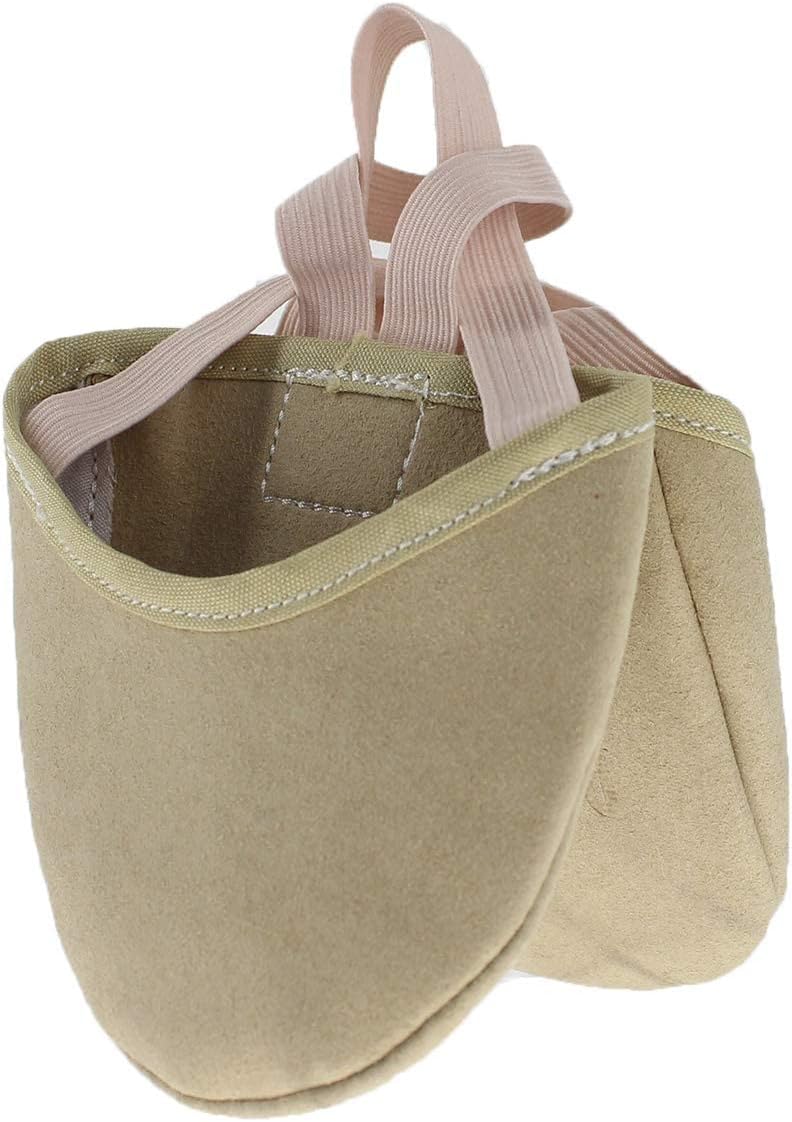


List of Best Heeled Dance Shoes For Women

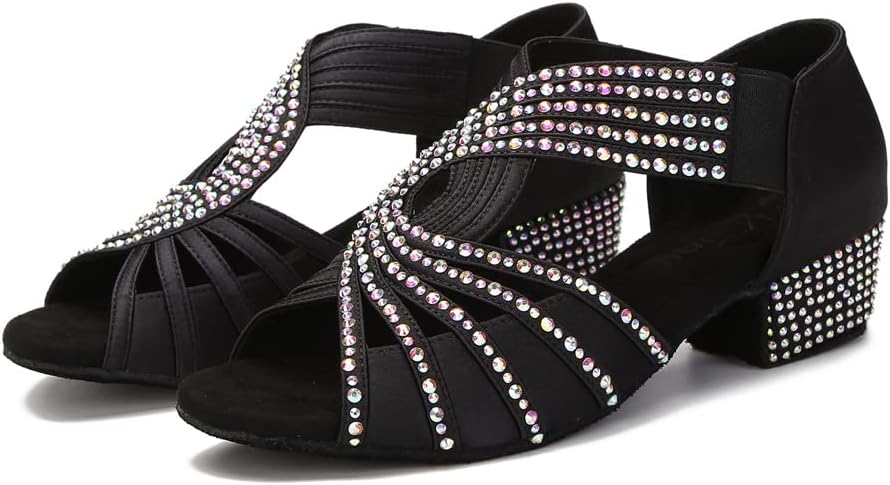


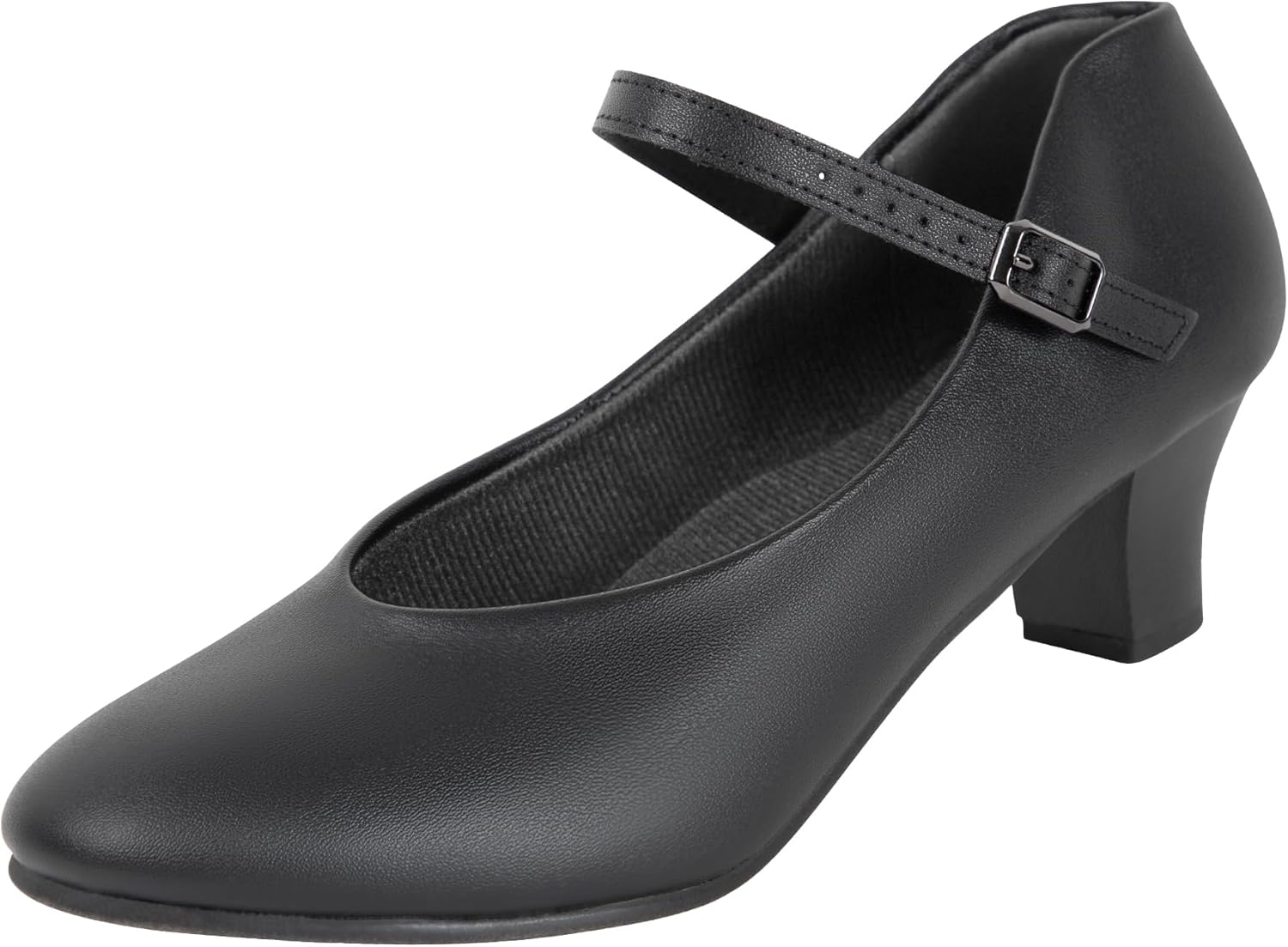

List of Best Low Heeled Dance Shoes


FAQ
Dance shoes are specifically designed to enhance performance by providing the right balance of support and flexibility. Their lightweight construction and specialized soles allow dancers to execute movements with precision while minimizing the risk of injury, which is crucial during lengthy practices or performances.
The comfort level of dance shoes can vary based on the type of shoe and the activity involved. For instance, well-fitted heeled options can be worn for several hours during a wedding reception, provided they offer good arch support and cushioning. Factors like venue flooring (e.g., hardwood vs. carpet) can also impact your comfort over time.
For formal events, such as ballroom dancing or weddings, consider heeled dance shoes that have a sturdy ankle strap and a wider heel base for stability. Options with cushioned insoles will help maintain comfort throughout the evening, especially when engaging in prolonged periods of standing or dancing.
To find the perfect fit, measure your foot length and width, then consult the sizing chart of the brand you intend to buy. Keep in mind that many dance shoes should fit snugly without pinching, as a proper fit ensures better control during movement. Trying on shoes with the same type of socks you'll wear while dancing can also help assess comfort accurately.
Low-heeled dance shoes are ideal for various venues, including studios and outdoor settings like grass or sand. They provide more stability and support, making them perfect for casual social dances or practices where mobility and comfort are key, especially on uneven surfaces.
Regular maintenance is important to extend the life of your footwear. After each use, wipe down the soles to remove dirt and residue, and store them in a cool, dry place away from direct sunlight. If they get wet, allow them to air dry naturally to prevent damage to materials.
While dance shoes are primarily designed for dancing, some styles can be versatile enough for casual outings. However, keep in mind that wearing them outside may wear down the soles faster, particularly if the surfaces differ significantly from the dance floor, such as gravel or concrete.
When selecting low-heeled options for kids, prioritize shoes with adjustable straps for a secure fit and soft, breathable materials for comfort. This is especially important during lessons or performances, as children often engage in dynamic movements that require both flexibility and support.