Best Diabetic Shoes
List of Best Diabetic Shoes


List of Best Diabetic Shoes For Men


List of Best Diabetic Shoes For Women

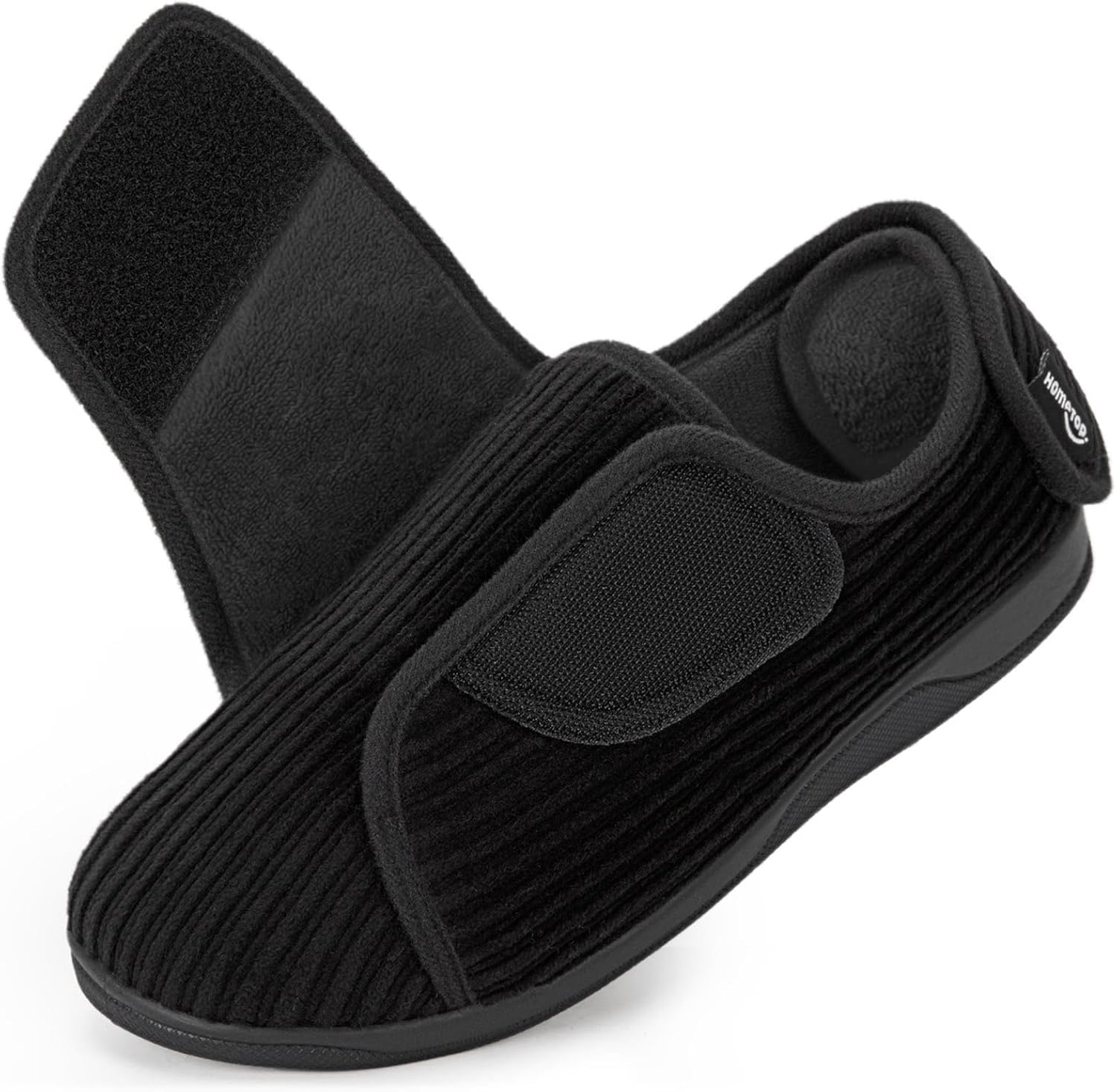
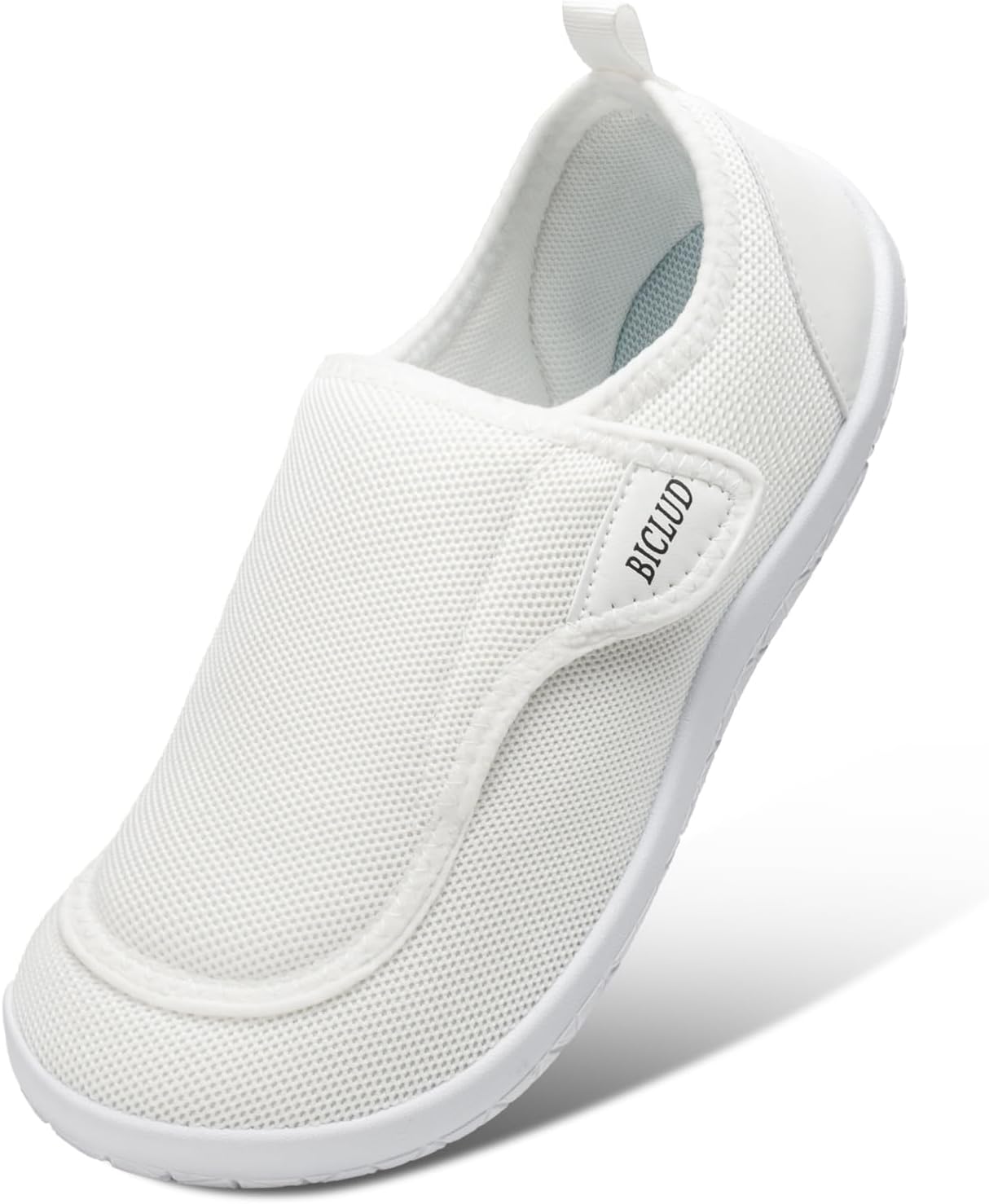
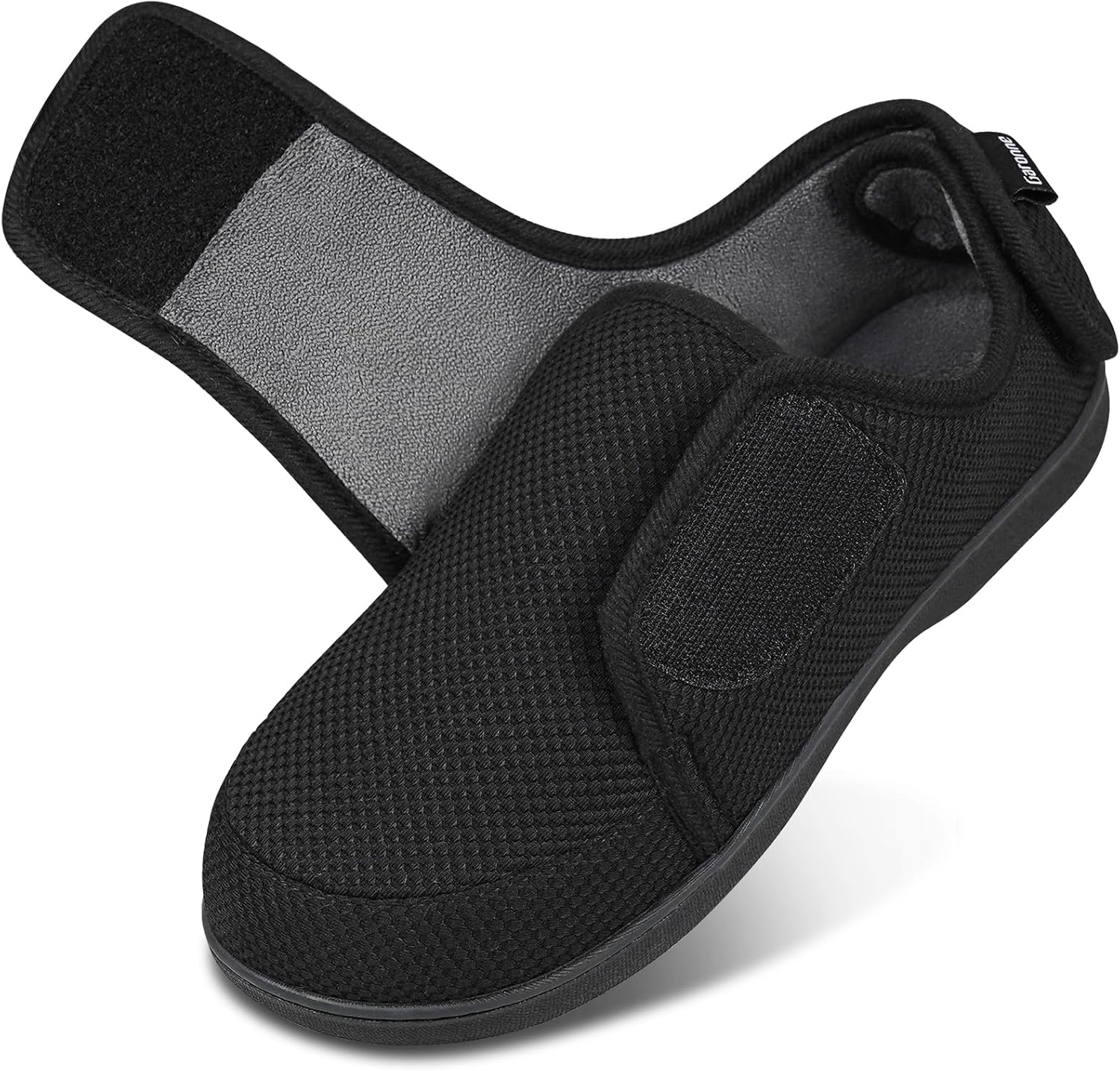
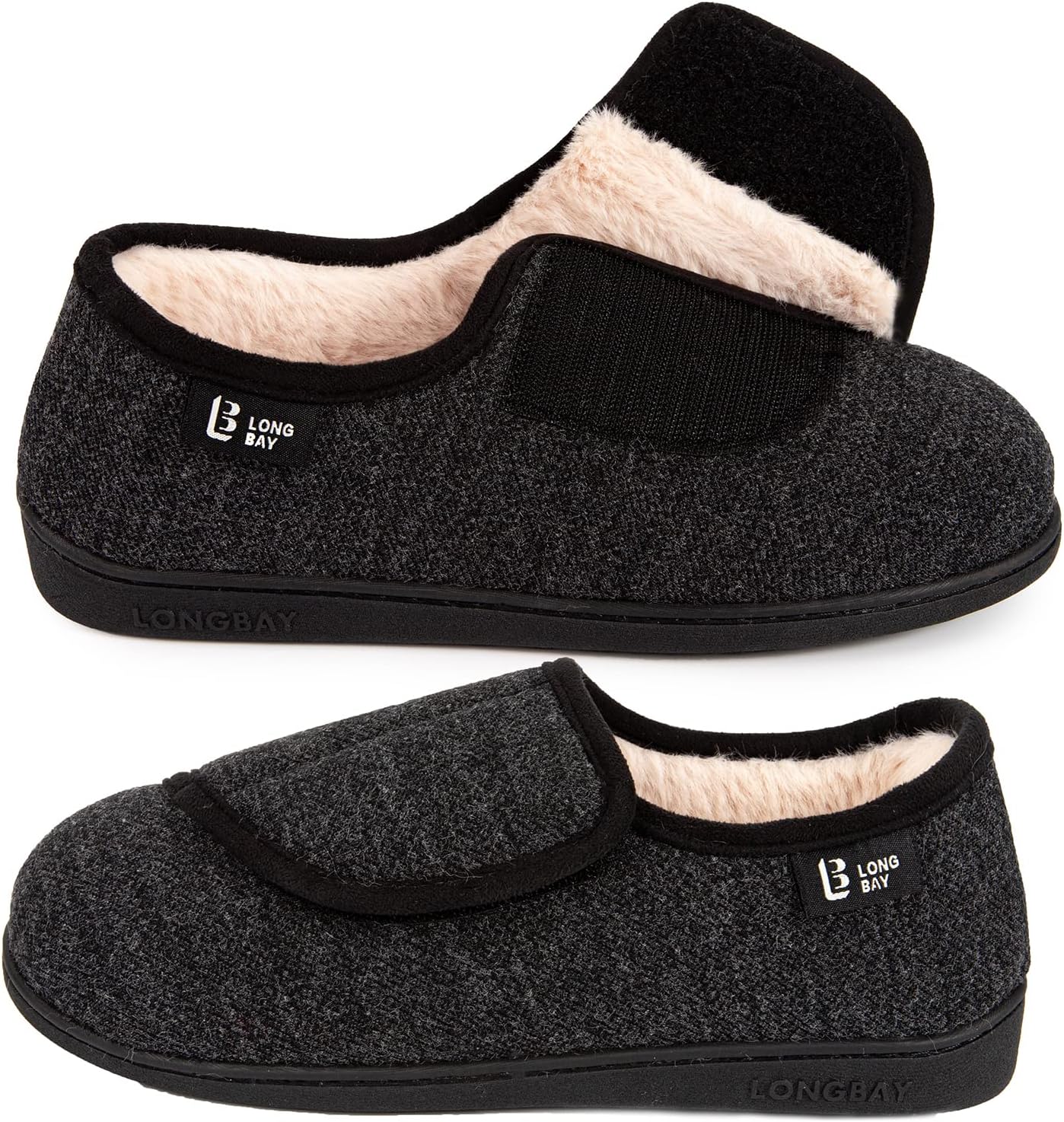
List of Best Diabetic Shoes For Women Wide Width
List of Best Diabetic Shoes For Women Extra Wide Width

FAQ
Diabetic shoes are specifically designed to protect sensitive feet from pressure, friction, and injury. They often feature extra cushioning and support to help prevent common complications such as neuropathy or ulcers, making them crucial for anyone with diabetes.
Many diabetic shoes are designed for extended wear, offering comfort throughout the day. Depending on the specific design and your activity level—be it standing for a long meeting or walking in the park—they can provide support without causing fatigue, ideal for full-day usage.
Men should look for styles that provide adequate arch support and a roomy toe box. It's also important to ensure the shoe accommodates any potential swelling throughout the day, particularly if worn for outdoor activities like hiking or walking on uneven terrain.
Women should focus on finding the right width and length, as poor fit can lead to blisters or calluses. Trying shoes on later in the day is advisable since feet tend to swell; ensuring a snug yet comfortable fit is essential for optimal foot health.
Absolutely! Shoes for wider feet typically have a more spacious toe box and adjustable closures to accommodate foot shape changes. These features allow for proper circulation and reduce the risk of pressure points, ensuring comfort during various activities.
Diabetic footwear is versatile but ideally suited for settings where prolonged standing or walking occurs, such as workplaces, hospitals, or social events. Their cushioning and support make them appropriate for both indoor and outdoor environments, including paved paths and grassy areas.
Regular cleaning and inspecting for wear are key to maintaining diabetic shoes. Depending on the materials, they may require gentle hand washing or specialized cleaning solutions to preserve their structure and support, which is important for effective long-term use.
Women's diabetic shoes often cater to narrower foot shapes while still providing ample arch support and cushioning. This tailored approach helps address unique issues women might face, such as hormonal changes affecting foot size or sensitivity during certain times, ensuring a more effective fit.