Best Gardening Footwear
List of Best Gardening Footwear




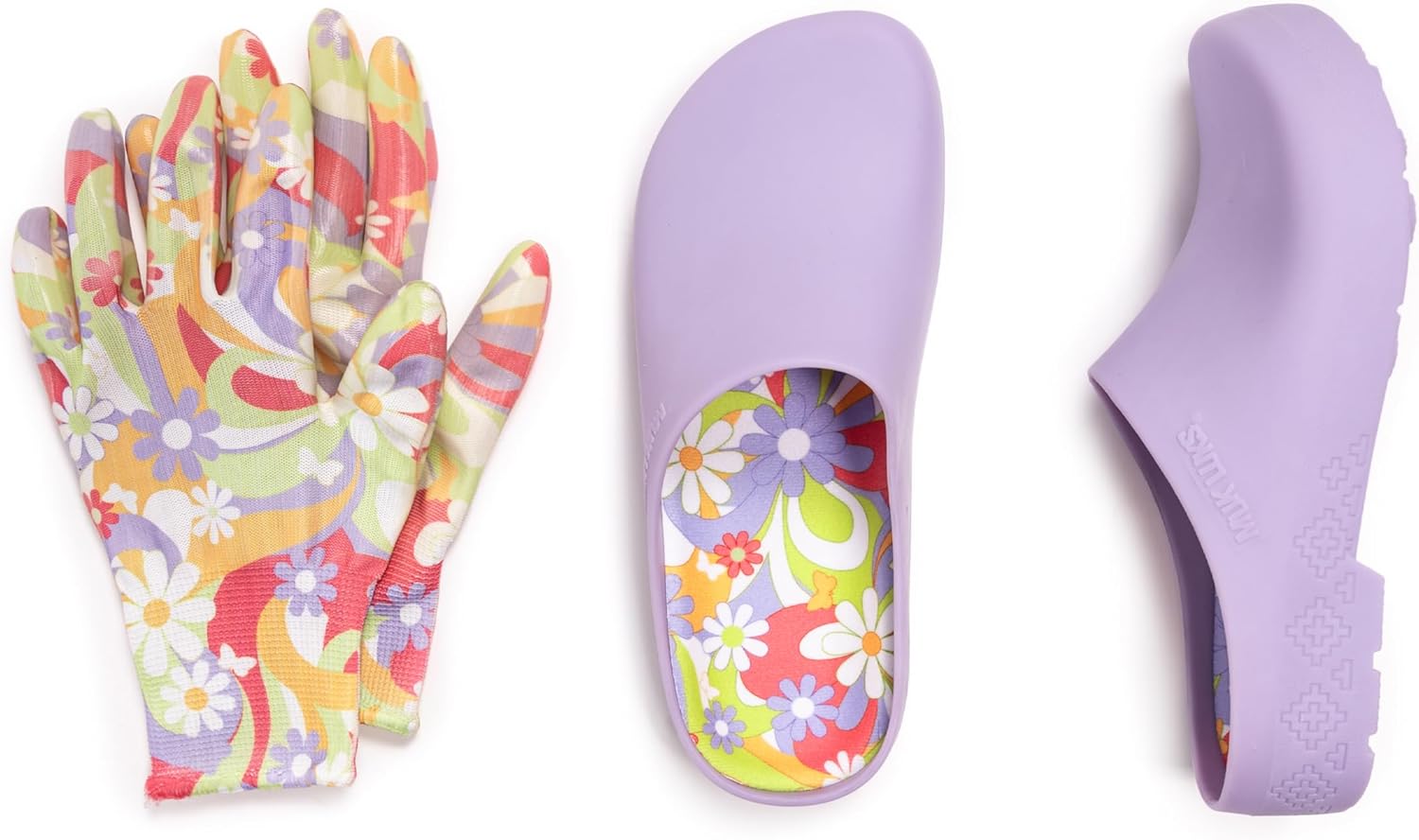
List of Best Women Gardening Footwear


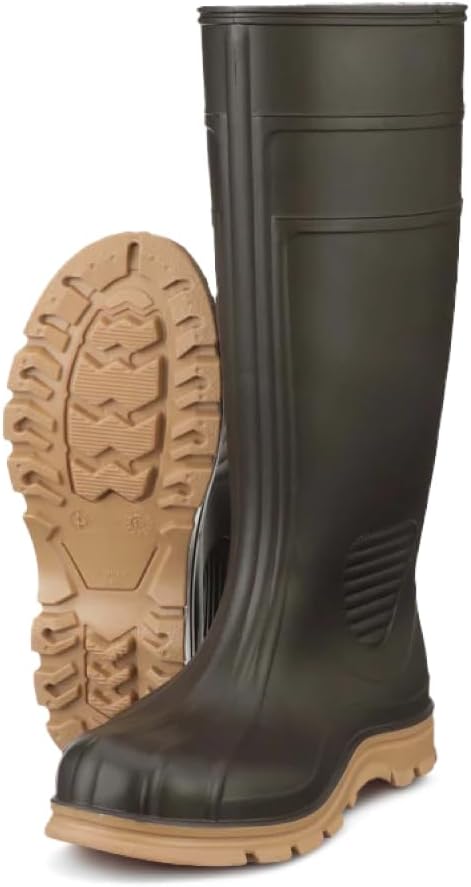
List of Best Gardening Shoes


FAQ
Choosing the right gardening footwear is crucial as it protects your feet from soil, moisture, and potential injuries. Footwear designed for gardening often features waterproof materials, sturdy soles, and easy-to-clean surfaces, which can enhance both comfort and safety during various gardening tasks.
Comfort in gardening footwear varies significantly based on the duration of use and activity level; ideally, you should look for shoes that provide adequate arch support and cushioning if you plan to spend an entire day outdoors. Even with good shoes, some users may feel discomfort after several hours of kneeling or walking on uneven ground.
For women, ideal gardening footwear typically offers a blend of style and practicality, featuring lightweight designs and slip-resistant soles. Many brands focus on providing options that accommodate various foot shapes while ensuring breathability for warm weather, making them suitable for flower beds or vegetable patches.
To find the right fit, measure your foot length and width, especially when considering sizes from different brands, as these can vary. Additionally, consider trying the shoes on with the type of socks you'll wear during gardening, as this can affect overall comfort and stability while kneeling or standing.
Yes, certain styles of gardening shoes perform better in specific environments. For example, rubber clogs are excellent for muddy gardens as they prevent slipping, while breathable sneakers are ideal for dry, grassy areas. Always consider the terrain you'll be working in to select footwear that offers the best grip and support.
Regular maintenance of your gardening footwear includes rinsing off mud and debris after each use and allowing them to air dry to prevent mold. For leather options, applying a water-repellent treatment periodically can help maintain their integrity, especially if you often work in damp conditions.
When selecting footwear for prolonged gardening sessions, prioritize features such as cushioned insoles, arch support, and waterproof materials. Shoes designed for high mobility can also reduce pressure points, which is essential when you're engaged in activities like planting or weeding for several hours.
For casual gardening tasks, lightweight sandals or clogs may suffice, providing ease of use and ventilation. However, for more intensive gardening, such as digging or tilling, opt for closed-toe boots with solid ankle support, especially if you're working on rocky or uneven surfaces.