Best Gym Footwear
List of Best Gym Footwear
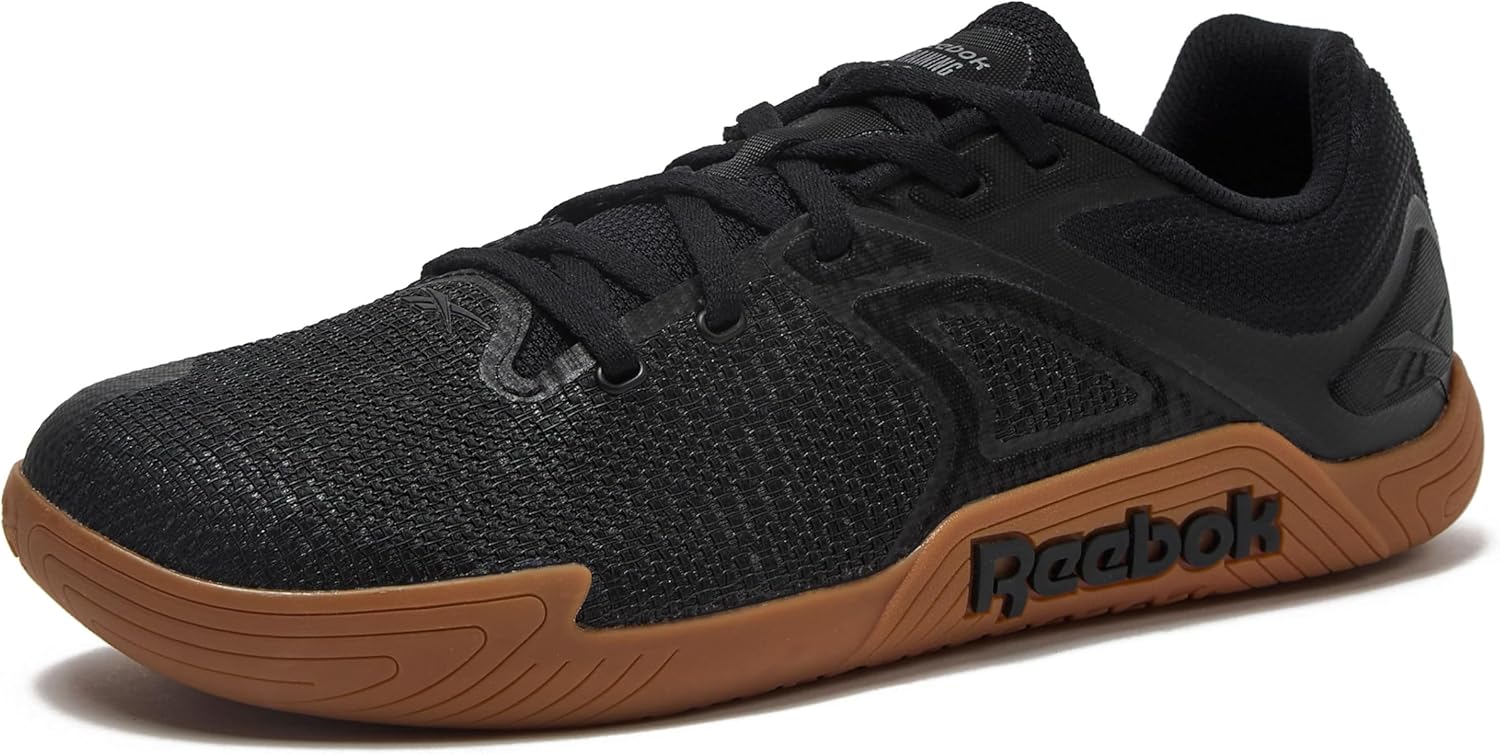


List of Best Gym Footwear For Men


List of Best Gym Footwear For Women


List of Best Otomix Gym Training Footwear

FAQ
Choosing the right gym shoes is essential for optimal performance and injury prevention. Look for features that support your specific activities, such as cushioning for running or stability for weightlifting. A well-fitted shoe can enhance your workout experience by providing the necessary support during various movements.
The duration you can comfortably wear gym shoes depends on the type of activity and the shoe's design. For a high-impact training session lasting about an hour, opt for shoes with good arch support and cushioning to minimize fatigue. If you're planning a longer session or multiple workouts in a day, prioritize comfort and breathability to keep your feet fresh.
Women often benefit from gym shoes designed with a narrower fit and added arch support. Styles that offer flexibility and cushioning are particularly beneficial for those engaging in aerobics or dance classes. Additionally, consider your gym activities; cross-trainers work well for varied workouts, while specialized shoes may be ideal for running or weightlifting.
To find the right size, measure your foot at the end of the day when it’s slightly swollen. Ensure there's about a thumb's width of space at the toe box and that the heel fits snugly without slipping. Trying on shoes with the socks you plan to wear can also help gauge the best fit, especially if you engage in rigorous activities.
For outdoor workouts, select shoes with durable traction and weather-resistant materials. If you’re exercising on trails or uneven surfaces, look for models with enhanced grip and cushioning to handle bumps. Conversely, for flat surfaces like parks or tracks, lightweight running shoes work well while providing support and comfort for various distances.
Proper care extends the life of your gym shoes. After each use, clean off dirt and debris, and allow them to air dry in a cool place to prevent moisture buildup. Regularly check for signs of wear, such as sole deterioration or reduced cushioning, which can affect performance and safety during workouts.
Men should focus on supportive shoes that cater to their training style. For strength training, look for minimal drop shoes that provide stability, while those who prioritize cardio may prefer cushioned models. Consider the fit and features that match the intensity of your workouts for optimal performance.
Specialized footwear enhances safety and performance by addressing the specific demands of different exercises. For example, cross-training shoes offer versatility for various workouts, while running shoes emphasize shock absorption. Choosing the right type helps improve stability and reduces the risk of injury during intense sessions.