Best Low Top Hiking Shoes
List of Best Low Top Hiking Shoes

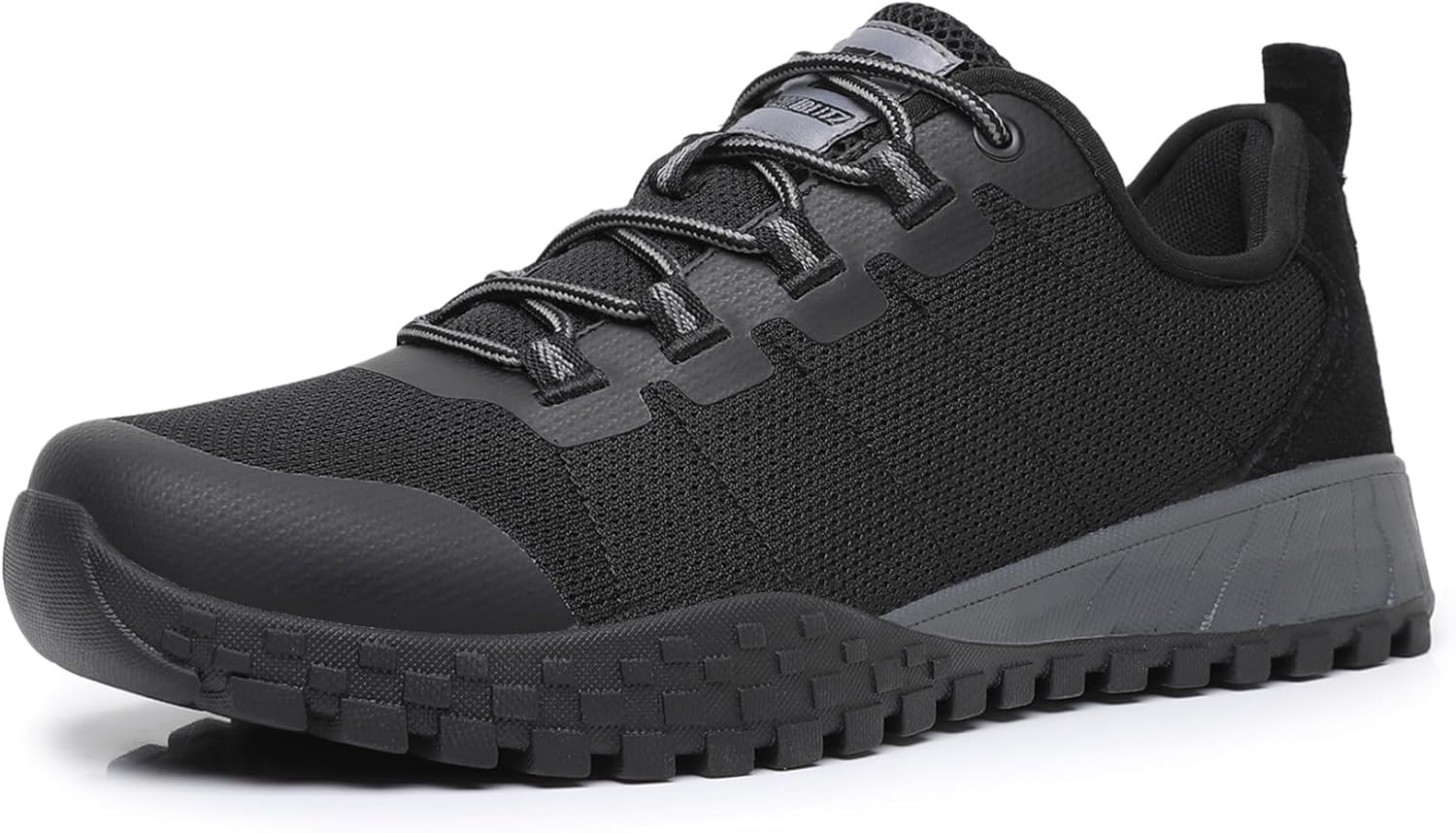

List of Best Men

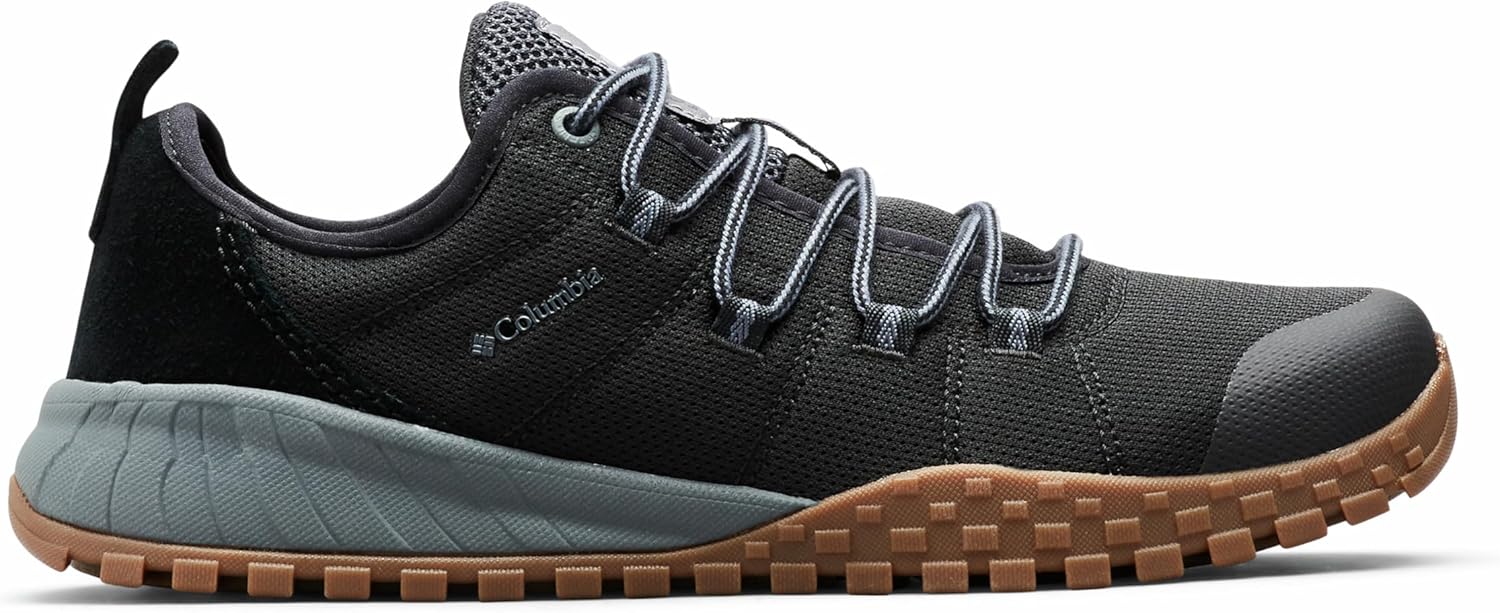


List of Best Women

List of Best Waterproof

FAQ
Low top hiking shoes are designed to provide a balance of support, flexibility, and comfort for various terrains. They are essential for maintaining traction and stability during hikes, especially on uneven surfaces. Their lightweight nature allows hikers to move quickly while minimizing fatigue over long distances.
You can typically wear these shoes for extended periods, ranging from several hours to a full day, depending on the intensity of your hike. For instance, if you're participating in a moderate trail walk, your shoes should remain comfortable without causing pressure or fatigue. However, the fit and cushioning may significantly influence how well you tolerate them over time.
Men should focus on fit, as many brands offer specific designs that cater to wider feet. Additionally, evaluating traction and durability is crucial, especially for rugged trails that may include loose rocks or muddy paths. Checking reviews about performance in various conditions can also guide your choice effectively.
Women often benefit from models specifically tailored to narrower feet, which enhances comfort during longer hikes. It's also advisable to look for options that provide ample arch support and cushioning, particularly if you plan to be on your feet for an entire day in varying terrain.
While not all low top hiking shoes are waterproof, those specifically designed with water-resistant materials can perform well in damp conditions. For example, if you're hiking in a forested area after rain, ensure the shoes have sealing features and good tread to maintain grip on slippery surfaces.
When fitting hiking shoes, it’s best to try them on later in the day when your feet are slightly swollen from activity. Ensure there is a snug fit without pinching, and check for enough toe room to wiggle your toes. Walk around to assess comfort and stability, particularly if you plan on navigating rocky trails.
To prolong the lifespan of your hiking shoes, clean them regularly by removing dirt and debris after each use. Allow them to air dry naturally, avoiding direct sunlight or heat sources, which can damage materials. Additionally, consider using waterproofing sprays before heading into wet conditions to better protect against moisture.
Yes, low top hiking shoes can be versatile for casual walking, light trekking, and even some travel scenarios where comfort is key. However, if you are planning to engage in activities requiring more ankle support or stability, such as climbing or backpacking, it may be wise to explore alternative footwear options.