Best Low Top Tennis Shoes
List of Best Low Top Tennis Shoes

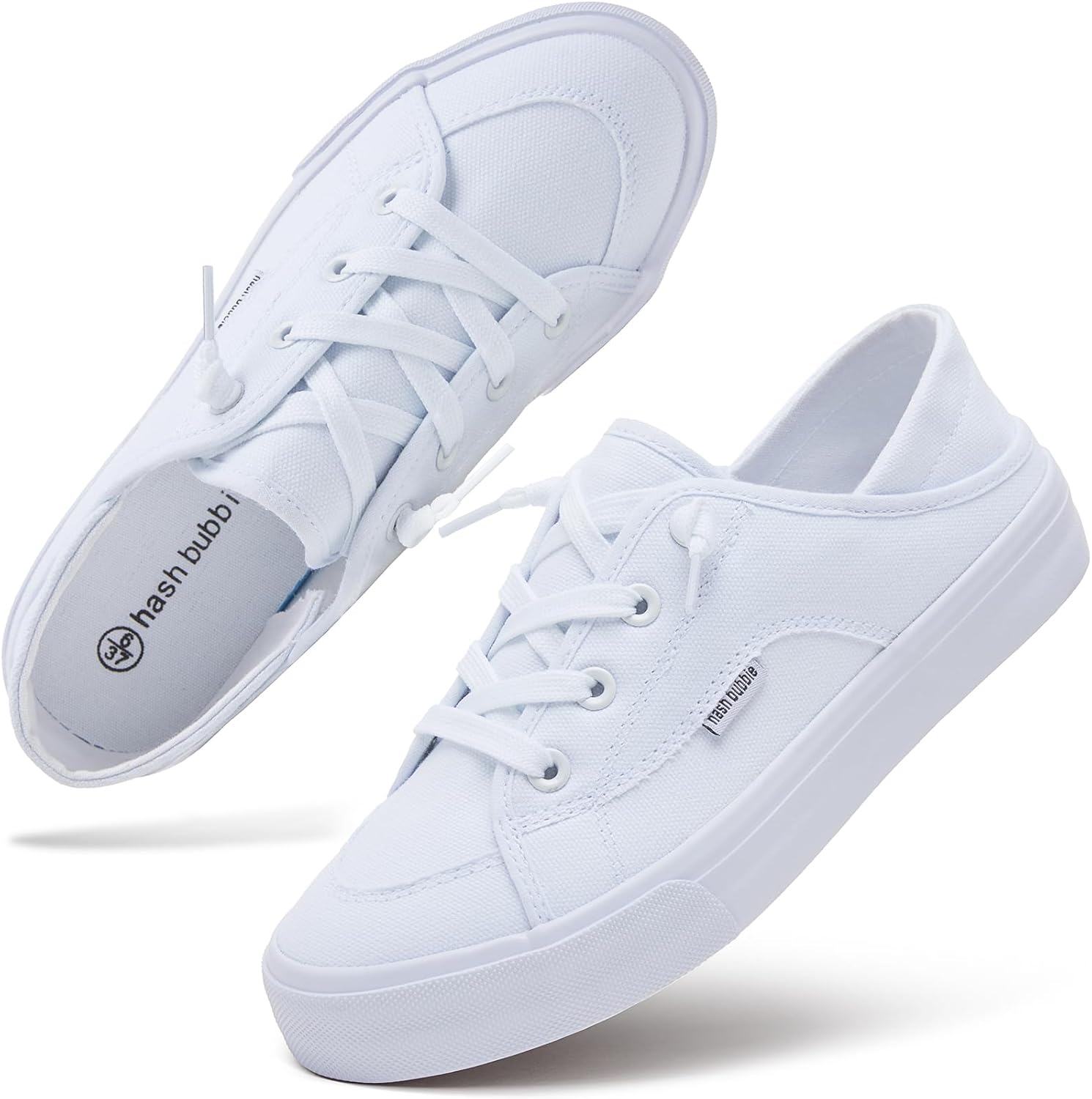


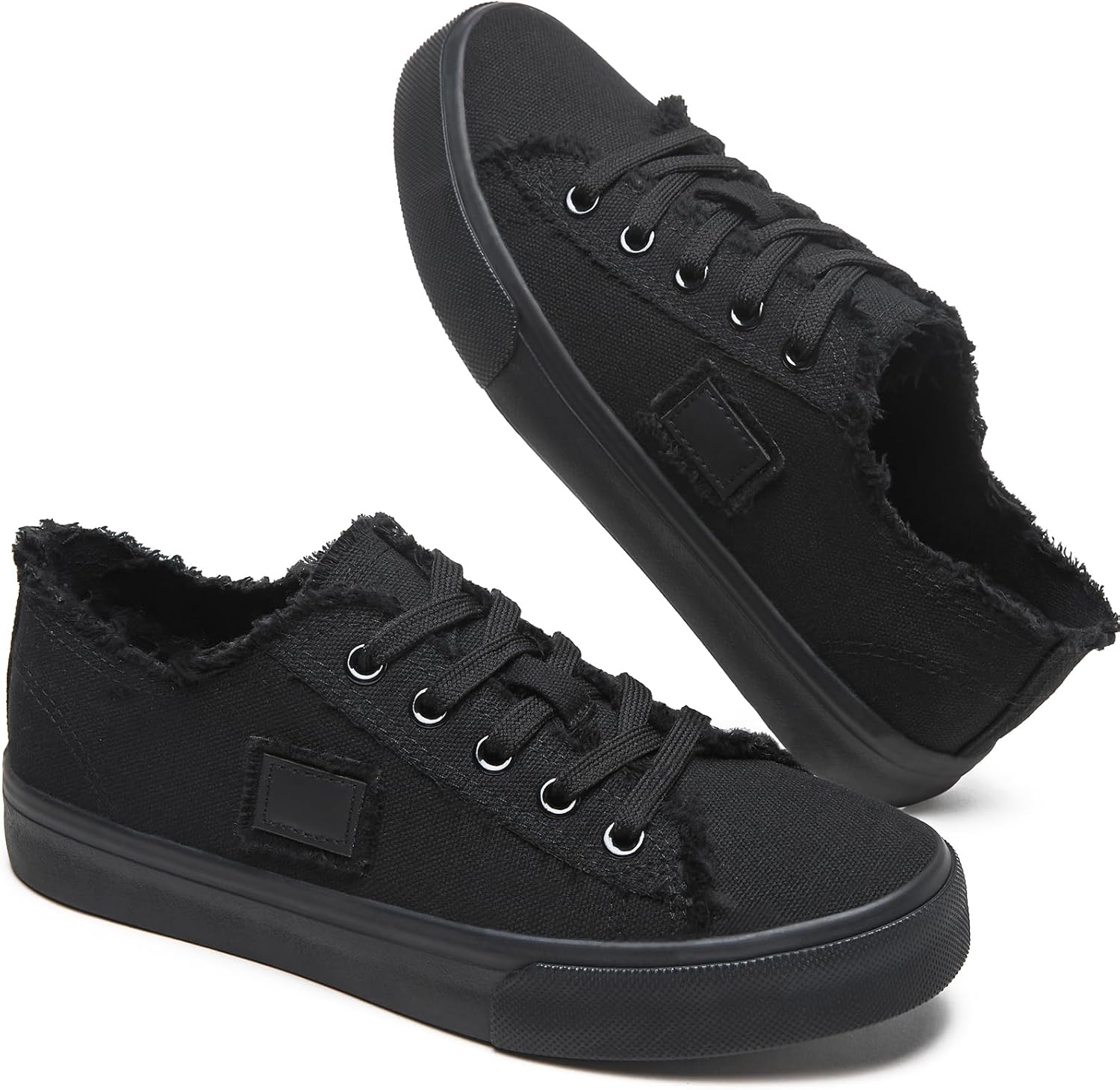

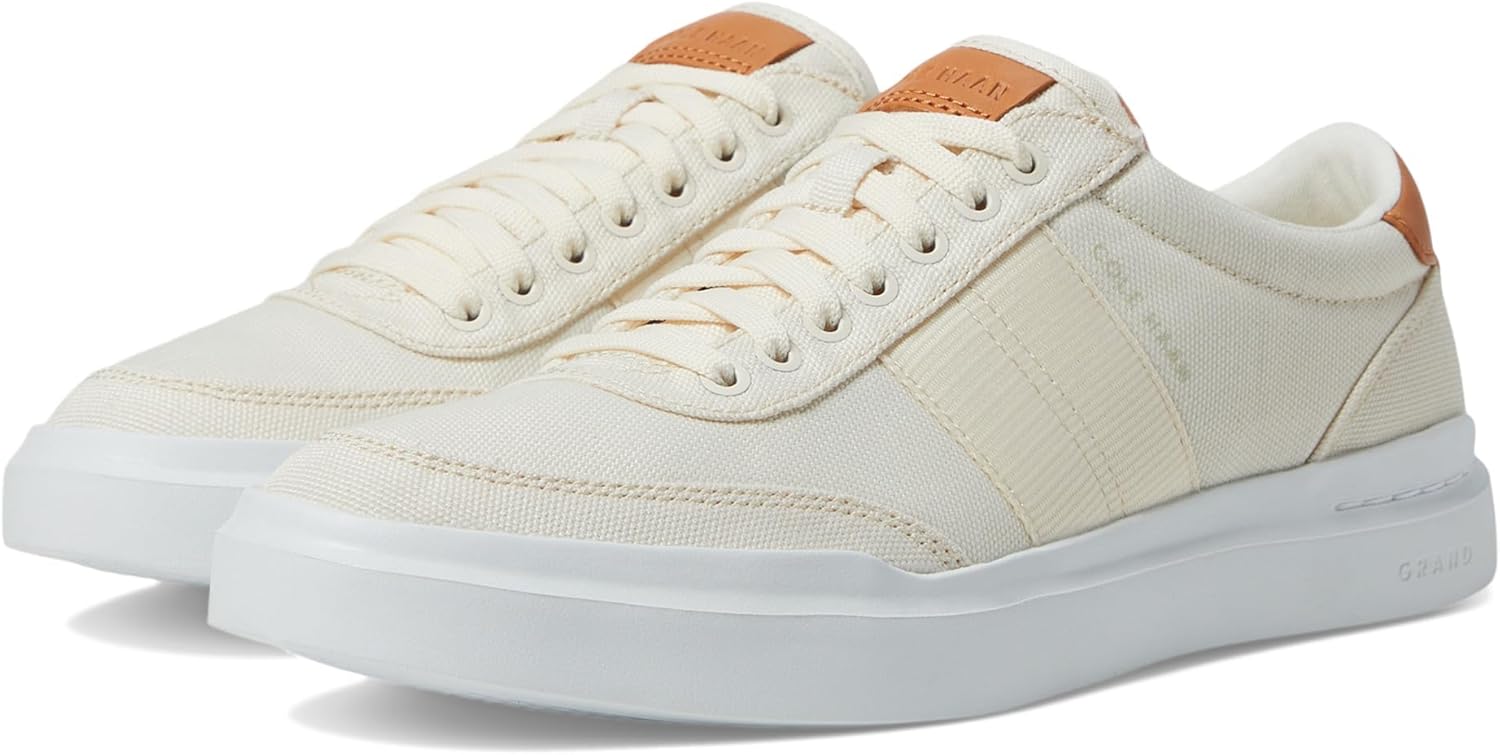


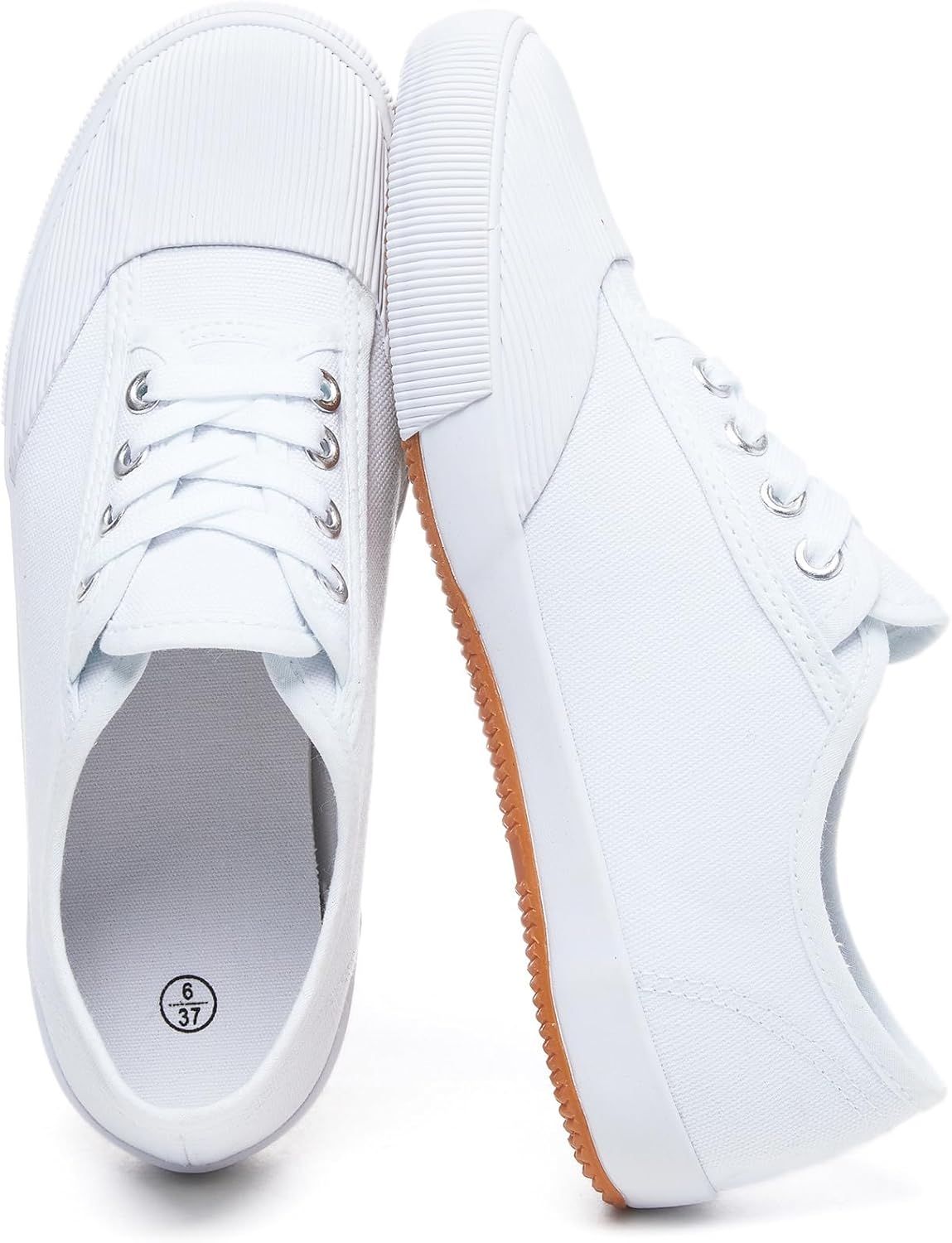
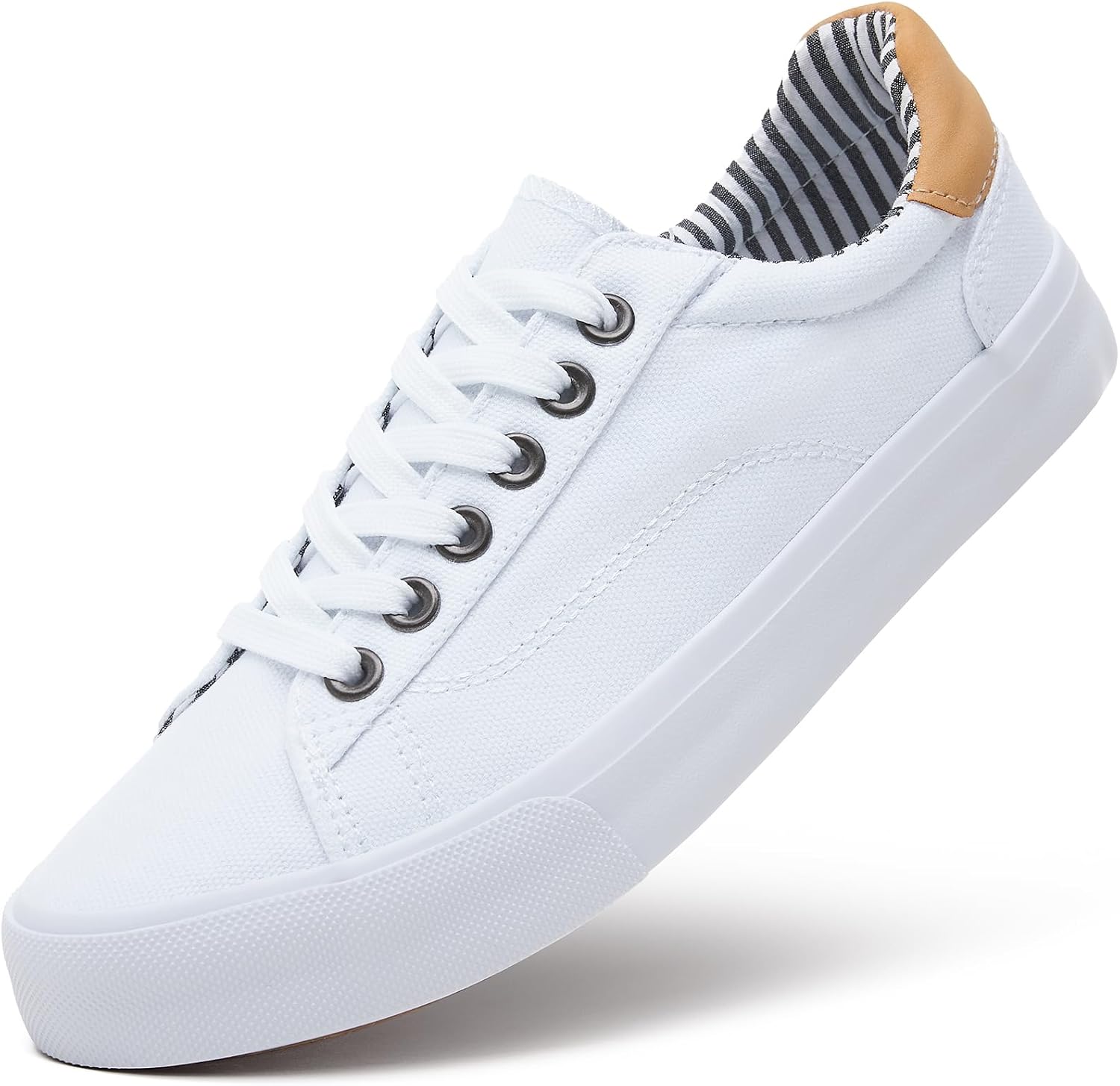

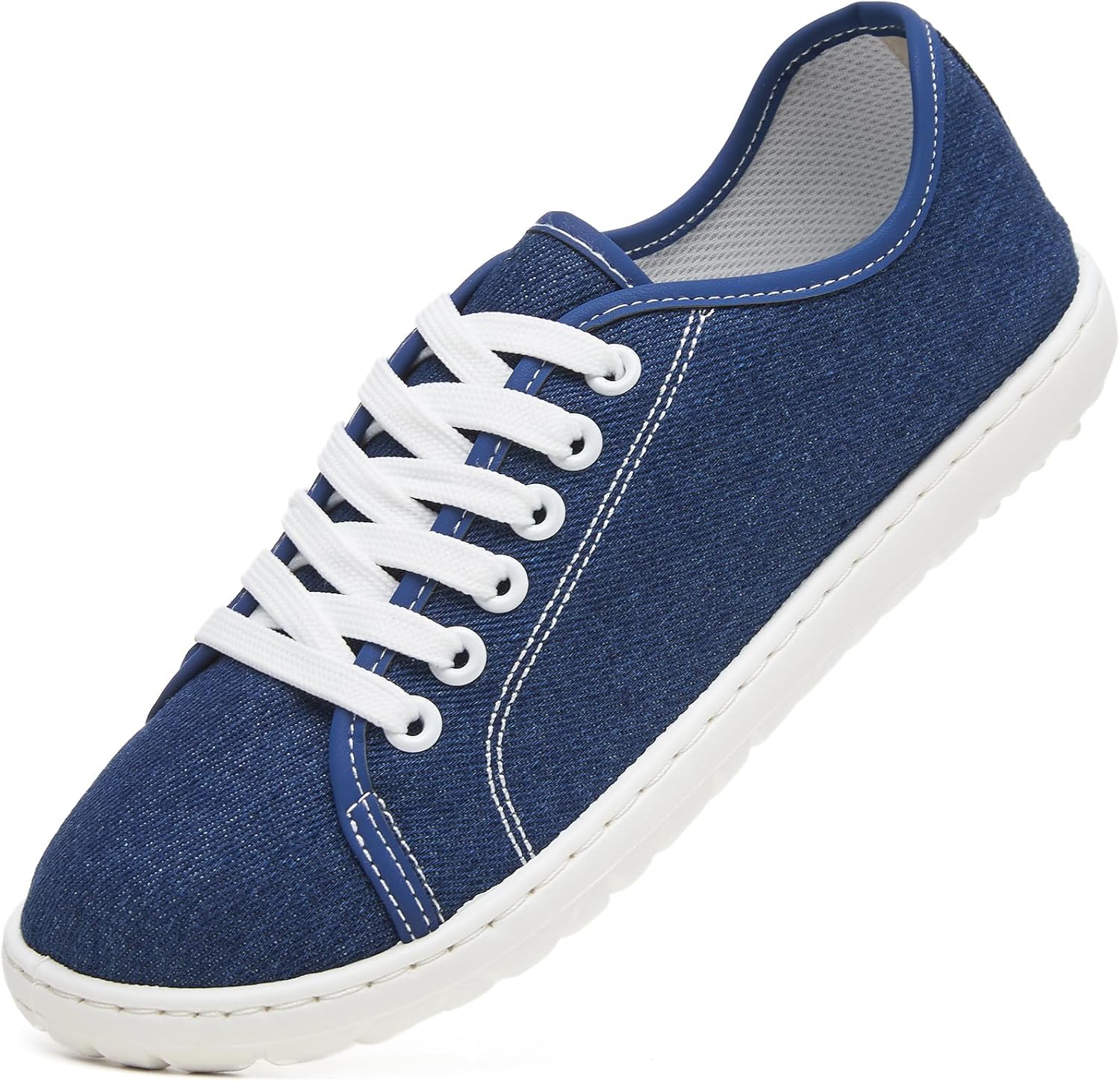


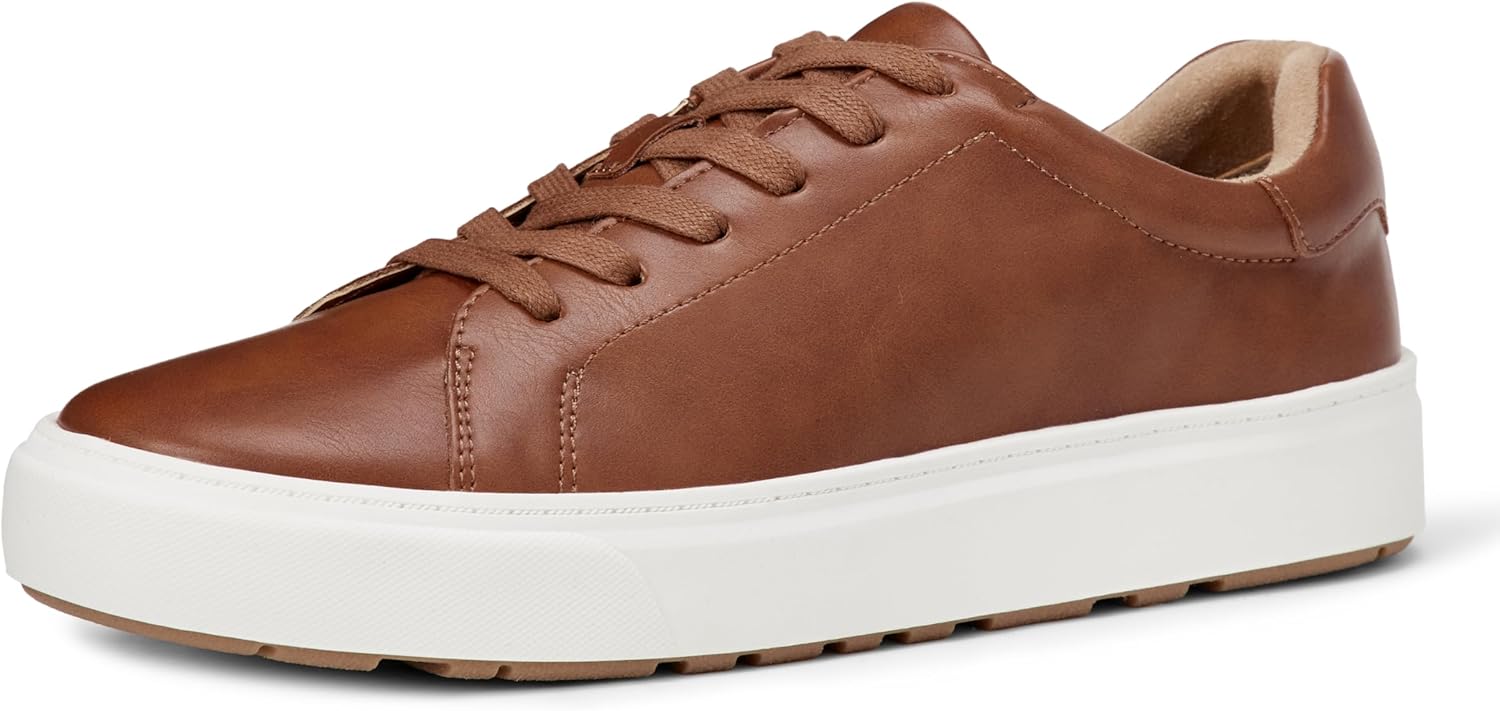


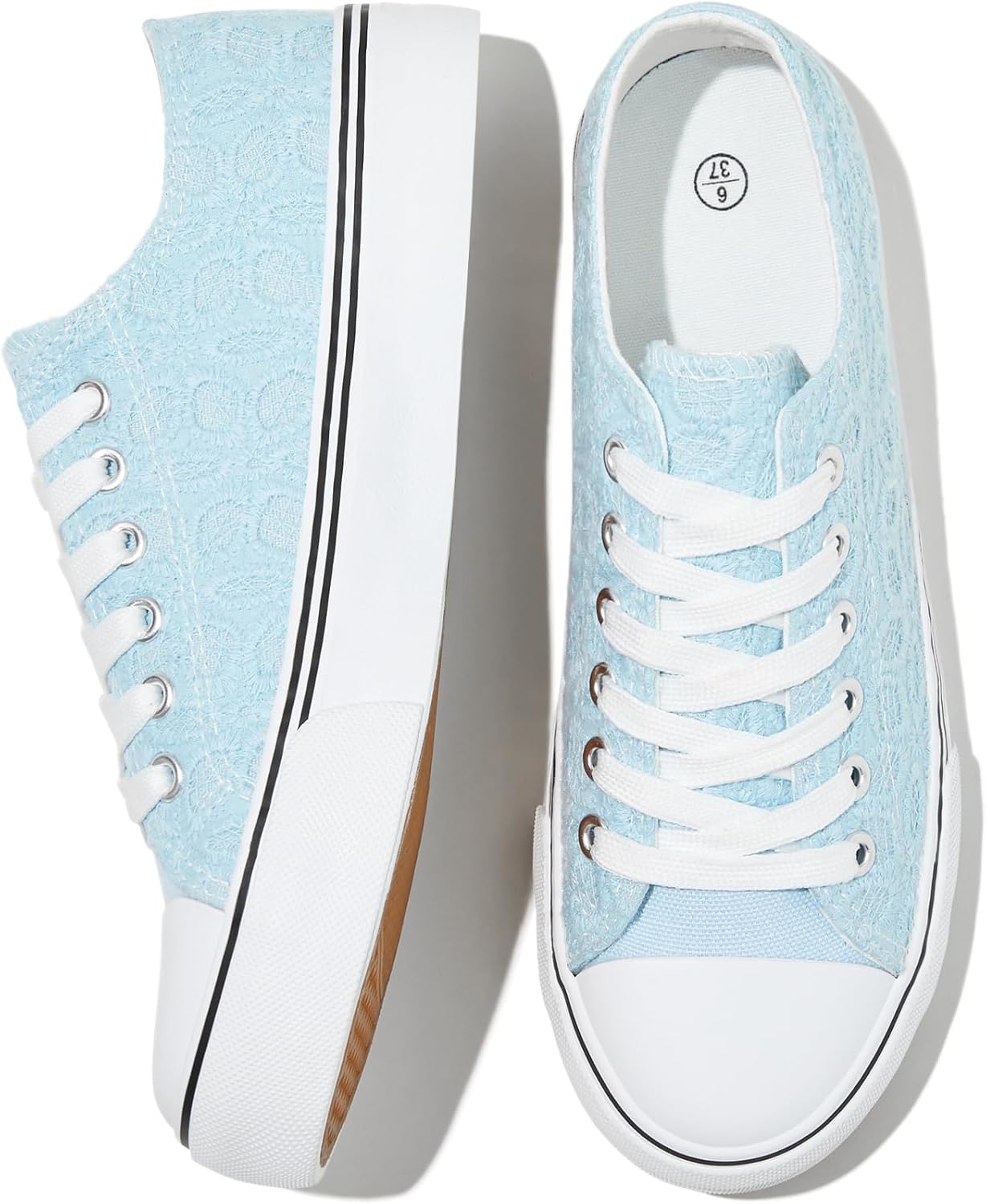
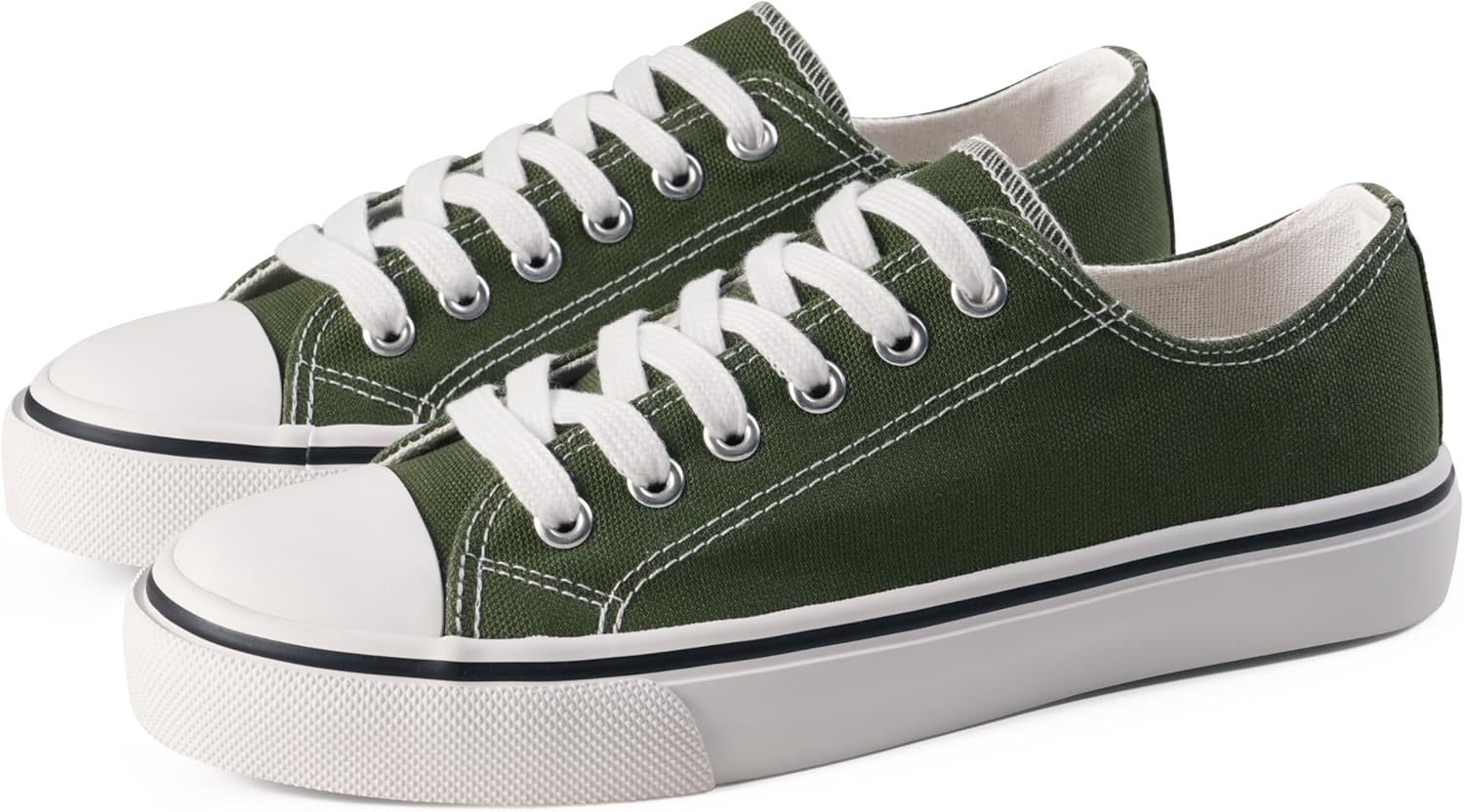


List of Best Low Top Tennis Shoes For Women
List of Best Low Top Tennis Shoes For Men
FAQ
Low top tennis shoes are designed with a lower cut around the ankle, allowing for greater freedom of movement. This style is particularly helpful on the court as it provides agility and speed during play, making them ideal for players who rely on quick lateral movements.
Most players can comfortably wear these shoes for an entire match, typically lasting 2-3 hours. However, comfort can vary based on the shoe's cushioning and fit, so it's advisable to break in new pairs before wearing them for extended periods, especially during intense games.
Women should consider features like arch support, lightweight materials, and adequate traction. It's also important to select a shoe that accommodates foot shape and offers stability during side-to-side movements, ensuring both comfort and performance on the court.
To find the right fit, measure your feet at the end of the day when they are slightly swollen. Try shoes on with the type of socks you'll wear while playing, and ensure there's about a thumb's width of space between your longest toe and the shoe's front. A snug fit helps prevent blisters and enhances control.
While low top tennis shoes offer good support for lateral movements on the court, they may not provide enough cushioning for longer runs or walks on hard surfaces. If you're planning on using them outdoors, consider the terrain and potential impact on your feet, especially if you’ll be on uneven ground.
To keep your shoes in good condition, clean them regularly with a damp cloth and mild soap after use, especially if they're exposed to clay or grass courts. Allow them to air dry away from direct sunlight and avoid washing them in a machine, as this can damage the materials and structure.
Men should look for shoes with adequate heel support to prevent slipping and ensure stability during aggressive movements. A firm heel counter can provide the necessary structure, helping to reduce fatigue and maintain balance throughout a match.
Yes, low top tennis shoes can be suitable for various surfaces, such as hard courts and indoor venues. However, ensure the sole is designed for the specific surface to prevent slipping or wear. For example, shoes with a herringbone pattern are optimal for clay courts, while those with a flatter design work best on hard surfaces.