Best Medical Work Shoes
List of Best Medical Work Shoes


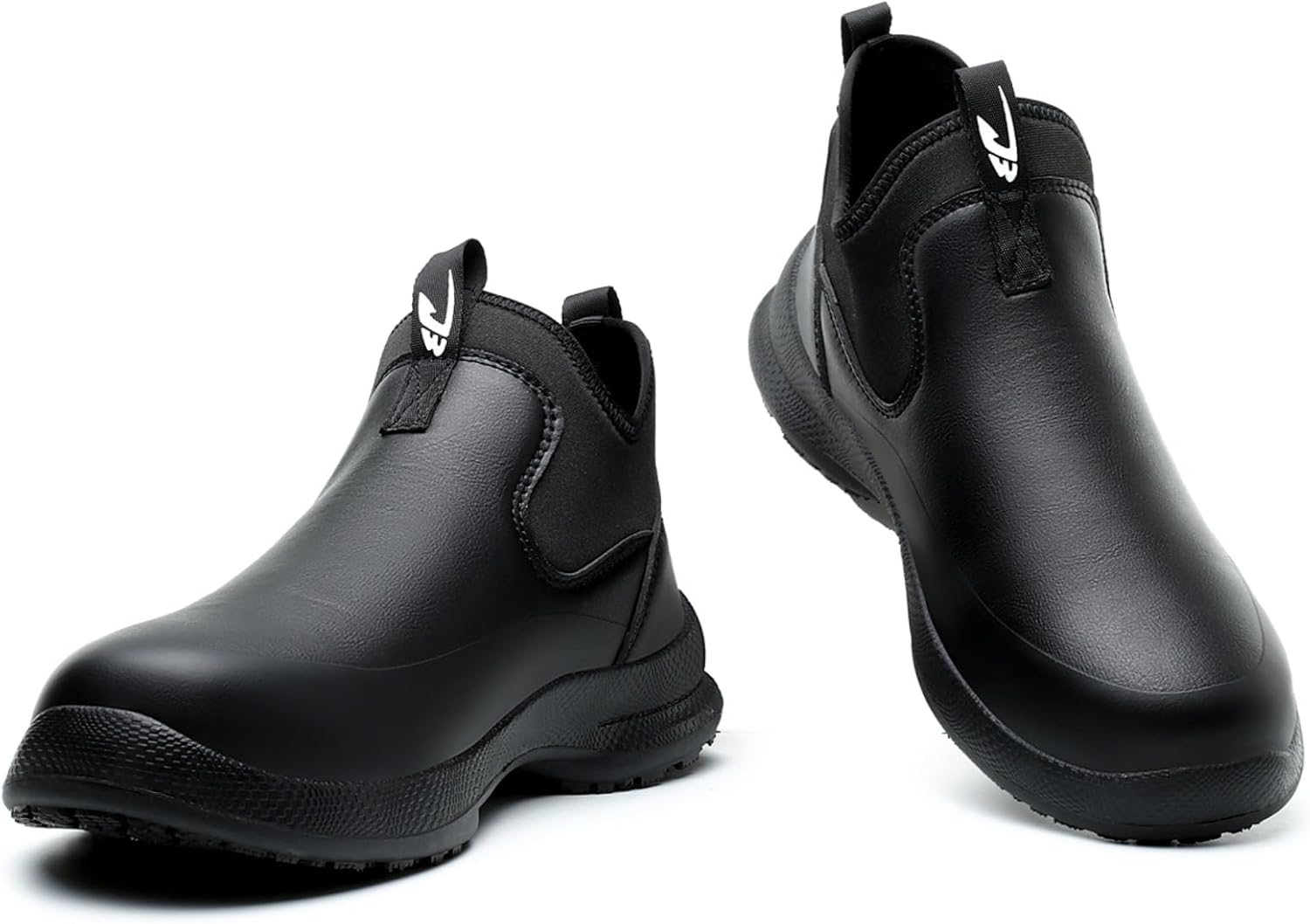
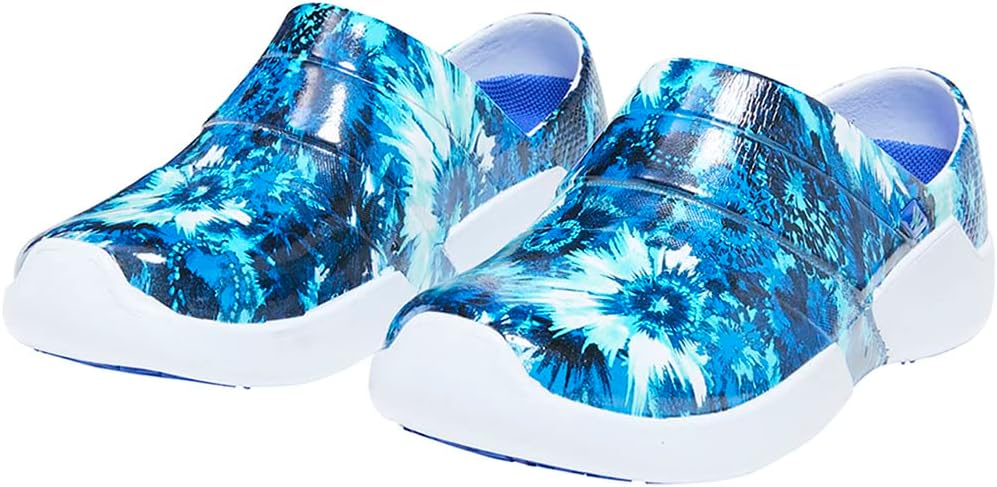
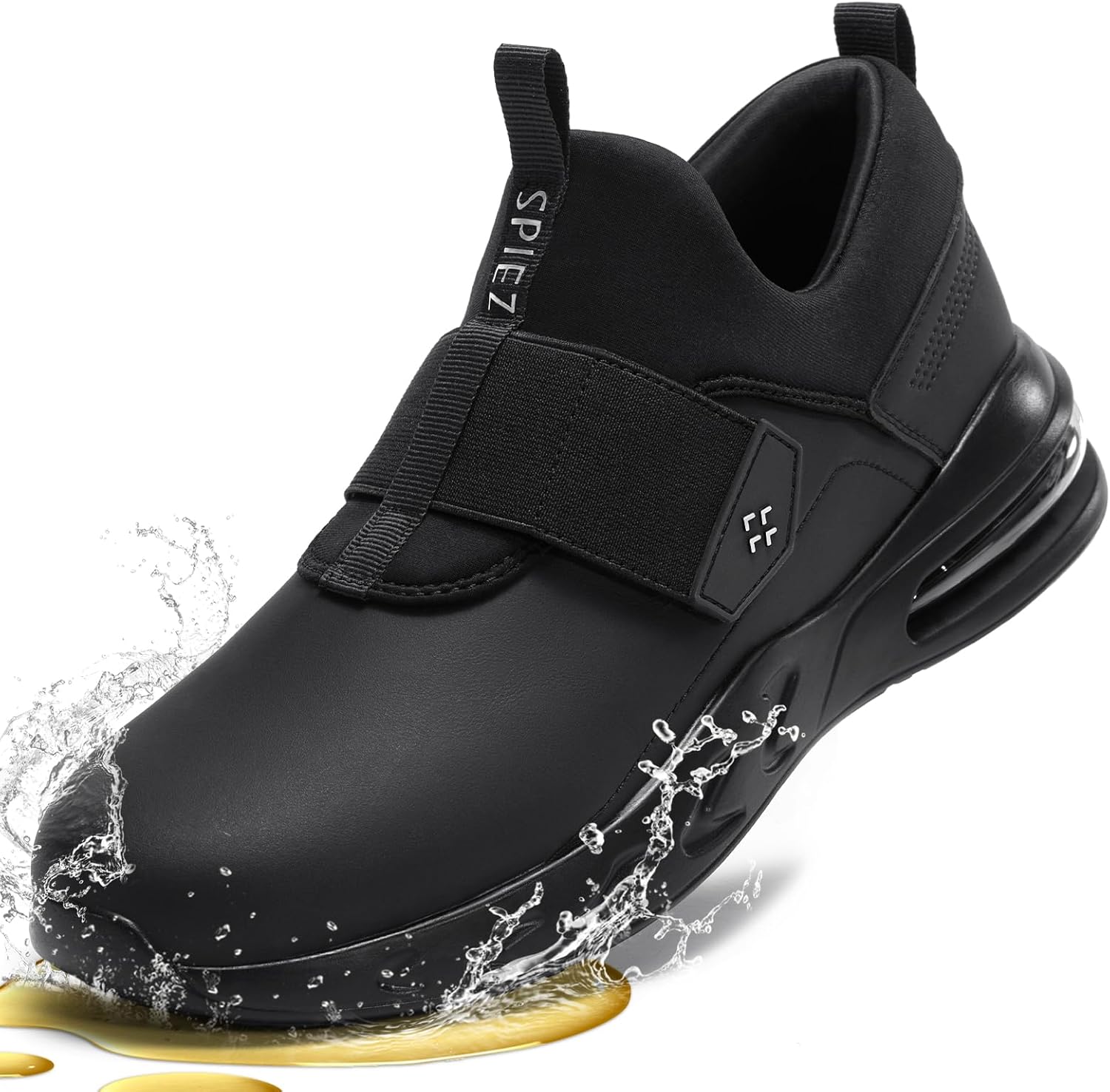
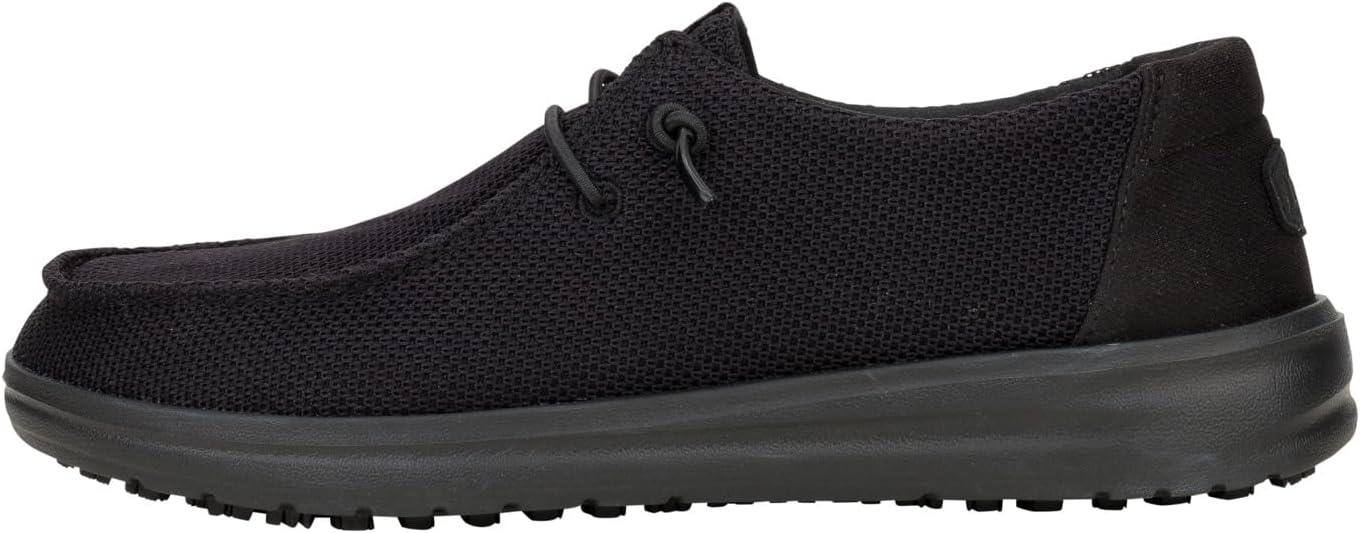
List of Best Medical Work Shoes For Men
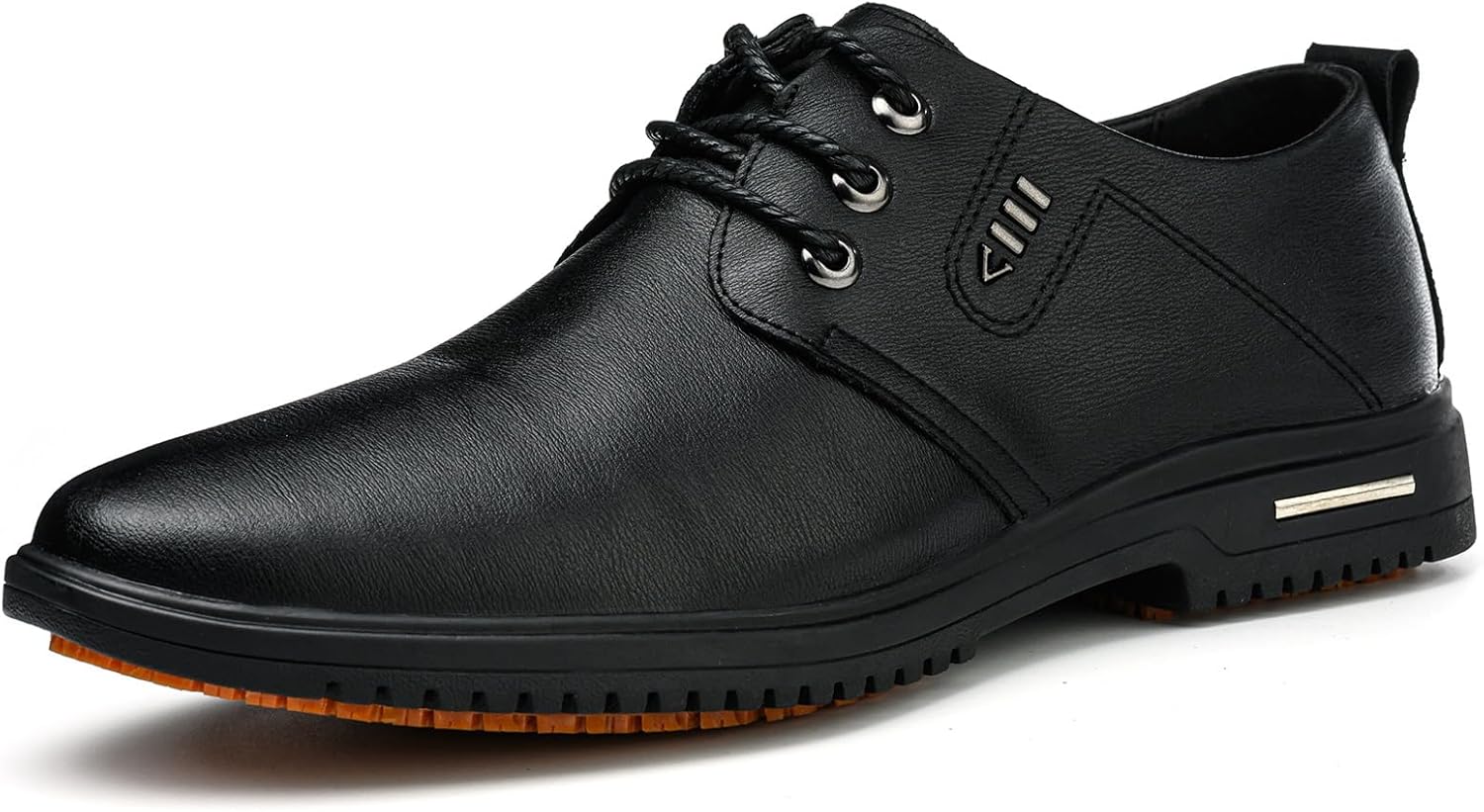


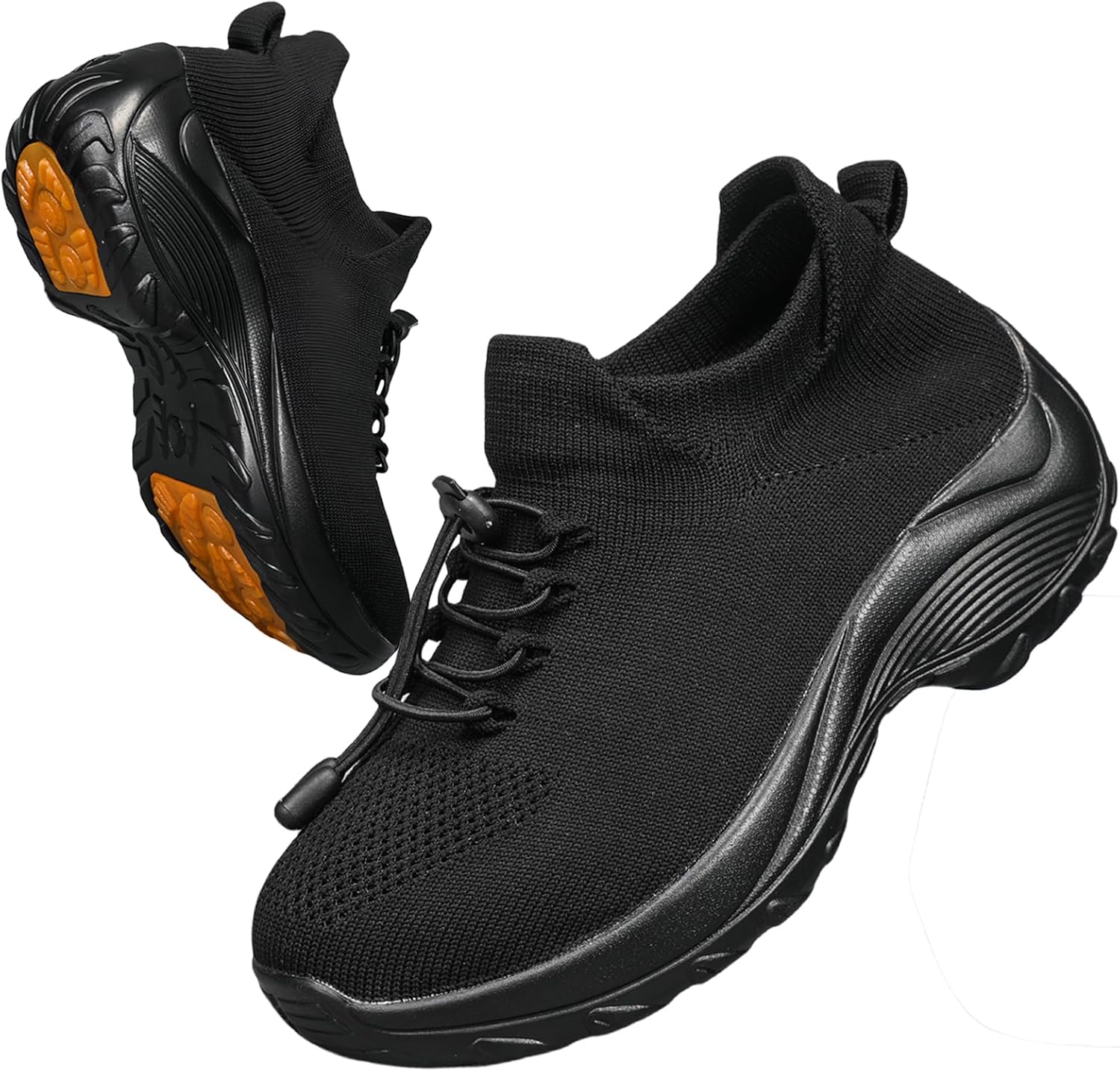
List of Best Work Shoes Women Medical Field






FAQ
Specialized footwear is crucial for medical professionals due to the demanding nature of their work environments. Nurses and doctors often spend long hours on their feet, requiring shoes that provide adequate support and comfort to prevent fatigue and foot pain, especially during shifts that may last up to 12 hours in a hospital or clinic setting.
The comfort level of medical work shoes can vary based on individual foot shape and the type of shoe. However, many find that well-constructed shoes can be worn comfortably for an entire day, even during active movements like walking or standing in busy hospital corridors, as long as they include features such as cushioning and arch support.
Men in the medical field should prioritize shoes that offer slip resistance and proper arch support, especially if they are in surgical settings or emergency rooms where quick movement is essential. Styles like clogs or sneakers with breathable materials can also help keep feet cool and comfortable during long shifts.
Women should consider fit, style, and the presence of supportive features like cushioned insoles or shock absorption when selecting footwear for medical roles. Given the potential for long hours in diverse environments like clinics or hospitals, breathable materials and adjustable straps can enhance comfort significantly.
Footwear suited for healthcare often includes closed-toe clogs, supportive sneakers, or slip-resistant loafers, all designed to handle varied surfaces from tiled hallways to outdoor areas. Ensuring that shoes have excellent grip and are easy to clean is vital, particularly in environments where spills or contaminants might occur.
To maintain your medical work shoes, regularly clean them according to the manufacturer's instructions, which may involve wiping them down with disinfectant wipes or washing removable insoles. Check for signs of wear after intense shifts, especially if you've been navigating both indoor facilities and outdoor areas, to ensure ongoing support and safety.
When purchasing medical footwear, it's important to leave some room for toes while ensuring a snug fit around the heel, as swelling can occur during long shifts. Trying shoes later in the day, when your feet are likely to be slightly larger from activity, can help you select the right size for all-day comfort.
Yes, features such as slip-resistant outsoles, shock-absorbing midsoles, and moisture-wicking materials play a significant role in enhancing performance. These characteristics help minimize slips during high-paced shifts in wet conditions and keep feet dry and comfortable during extended periods of standing or walking.