Best Non-Slip Boots
List of Best Non-Slip Boots


List of Best Men


List of Best Women


FAQ
Non-slip boots are specially designed footwear equipped with soles that provide enhanced traction on slippery surfaces. They are vital for preventing slips and falls, especially in environments such as kitchens or wet outdoor areas where safety is a major concern.
You can typically wear non-slip boots for an entire work shift, around 8 to 12 hours, depending on the level of activity. Comfort can vary based on the boot design and padding, with options available that minimize pressure and fatigue during prolonged standing or walking.
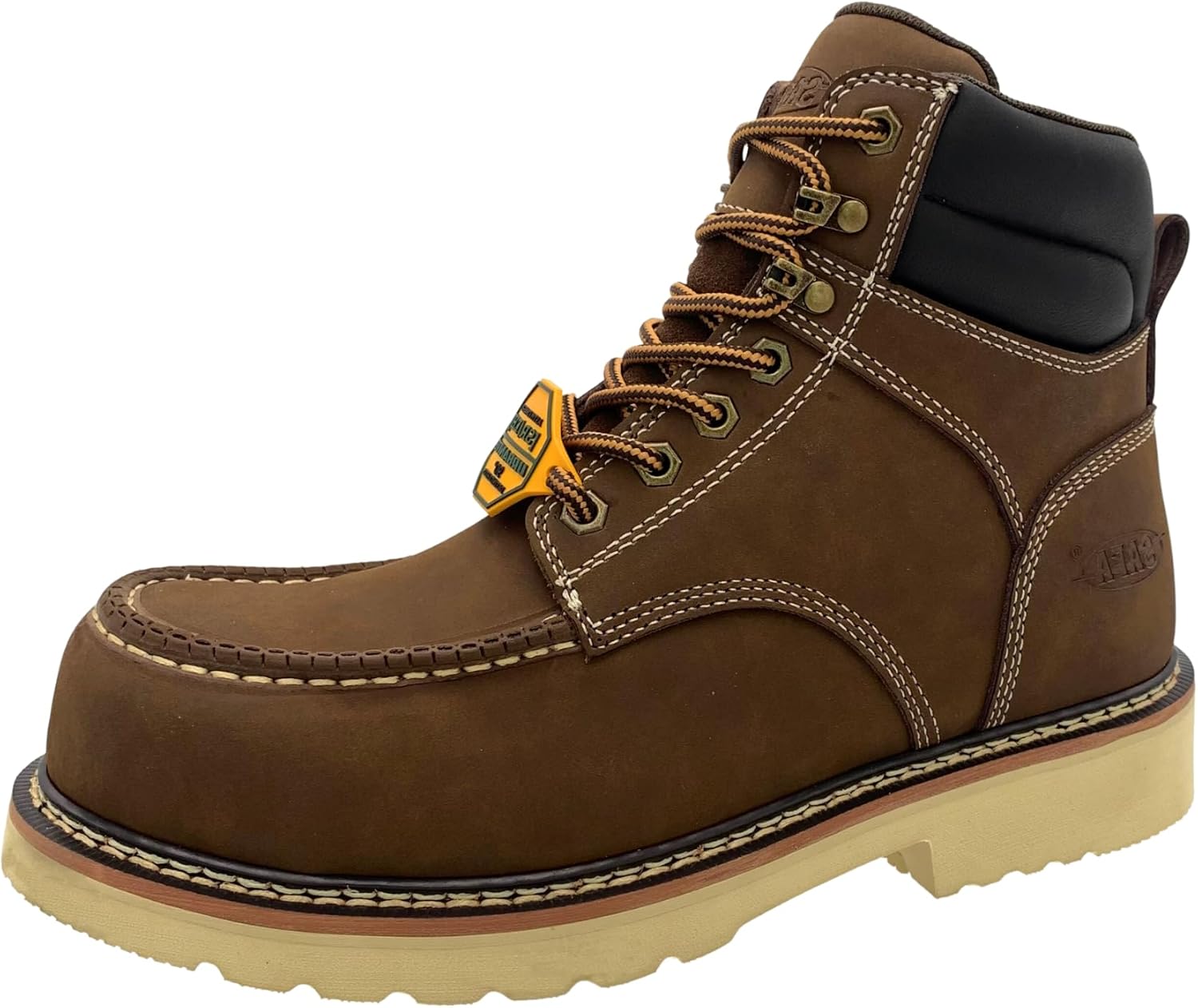
For men in construction, rugged non-slip boots with reinforced toes and durable materials are essential. Look for styles that offer stability and support while maintaining slip resistance on uneven terrain, which is common on job sites.
To find the perfect fit for non-slip boots, measure both your foot length and width, taking into consideration that some designs may run larger or smaller. Always try them on with the socks you plan to wear to ensure a comfortable fit that allows for movement without being too tight.
Non-slip boots are ideal for various venues, including restaurants, hospitals, and outdoor events where surfaces can be slick. Their traction makes them suitable for both indoor settings with tiled floors and outdoor environments, like rainy parks or festival grounds.
To maintain your non-slip boots, clean them regularly with mild soap and water, focusing on removing any debris from the soles to preserve traction. Avoid exposing them to extreme heat or direct sunlight, as this can deteriorate materials over time.
Yes, many brands offer non-slip boots tailored for women working in hospitality, featuring appropriate support and elegant designs. Look for options that combine style with functionality to ensure safety without sacrificing comfort during busy shifts.
Certain non-slip boots are designed for winter weather, featuring insulation and specialized soles for better grip on snow and ice. If you expect to navigate through these conditions, look for models specifically marketed for cold climates to enhance safety.