Best Olympic Lifting Shoes
List of Best Olympic Lifting Shoes


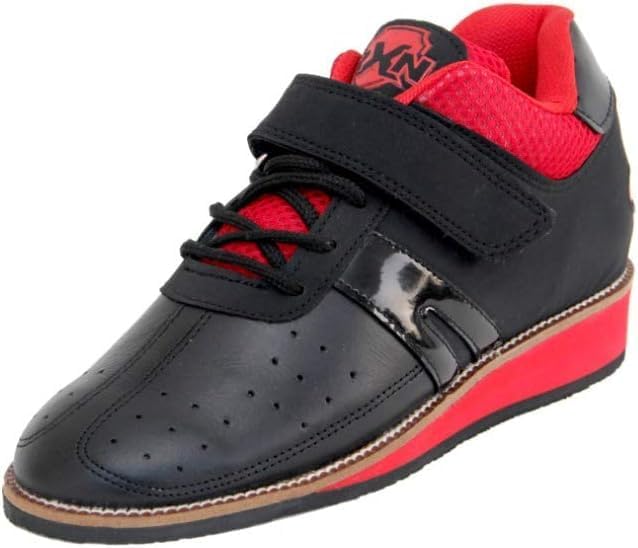

List of Best Men


List of Best Women
List of Best Reebok
List of Best Elevated Heel

FAQ
Olympic lifting shoes are specialized footwear designed to enhance performance in weightlifting by providing a raised heel, which allows for better ankle mobility and deeper squats. This is crucial for safety and efficiency during lifts like the clean and jerk or snatch, where precise positioning can significantly impact technique and power.
Most lifters find that they can wear these shoes for entire training sessions without discomfort, typically ranging from one to three hours. However, your comfort can vary based on the intensity of your movements—standing and performing static lifts often feels different than engaging in dynamic exercises like cleans or snatches.
Men looking for the best options should focus on features such as heel height, width for stability, and overall construction quality. A shoe with a sturdy sole and an elevated heel can provide better support during competitive lifts, particularly in environments like indoor gyms where grip and balance are essential.
When sizing for Olympic lifting shoes, it's recommended to measure your foot while standing and consider a snug fit that allows for minimal movement inside the shoe. Remember that these shoes are not meant for casual wear; a well-fitted shoe will help maintain stability during heavy lifts and should feel secure without pinching.
While Olympic shoes are primarily designed for indoor use, some models may be suitable for outdoor workouts on flat surfaces like concrete or wood. However, keep in mind that uneven terrain can affect balance and may not provide the same level of support as stable flooring found in gyms.
To prolong the life of your Olympic lifting shoes, clean them regularly with a damp cloth to remove sweat and dirt, and ensure they dry in a shaded area instead of direct sunlight. Additionally, inspect the soles for wear and tear, particularly after using them on various surfaces, to maintain optimal grip and function.
Shoes with an elevated heel facilitate improved squat depth by allowing greater forward knee travel, which is beneficial for lifts requiring a strong starting position. This feature is particularly advantageous for athletes who may struggle with flexibility, enabling more effective lifting mechanics during competitions.
Women should prioritize fit and flexibility in their Olympic lifting shoes, as well as look for options that cater to narrower feet. A well-structured shoe can enhance stability during lifts and accommodate unique foot shapes, improving performance while minimizing the risk of injury.