Best Outdoor Climbing Shoes
List of Best Outdoor Climbing Shoes


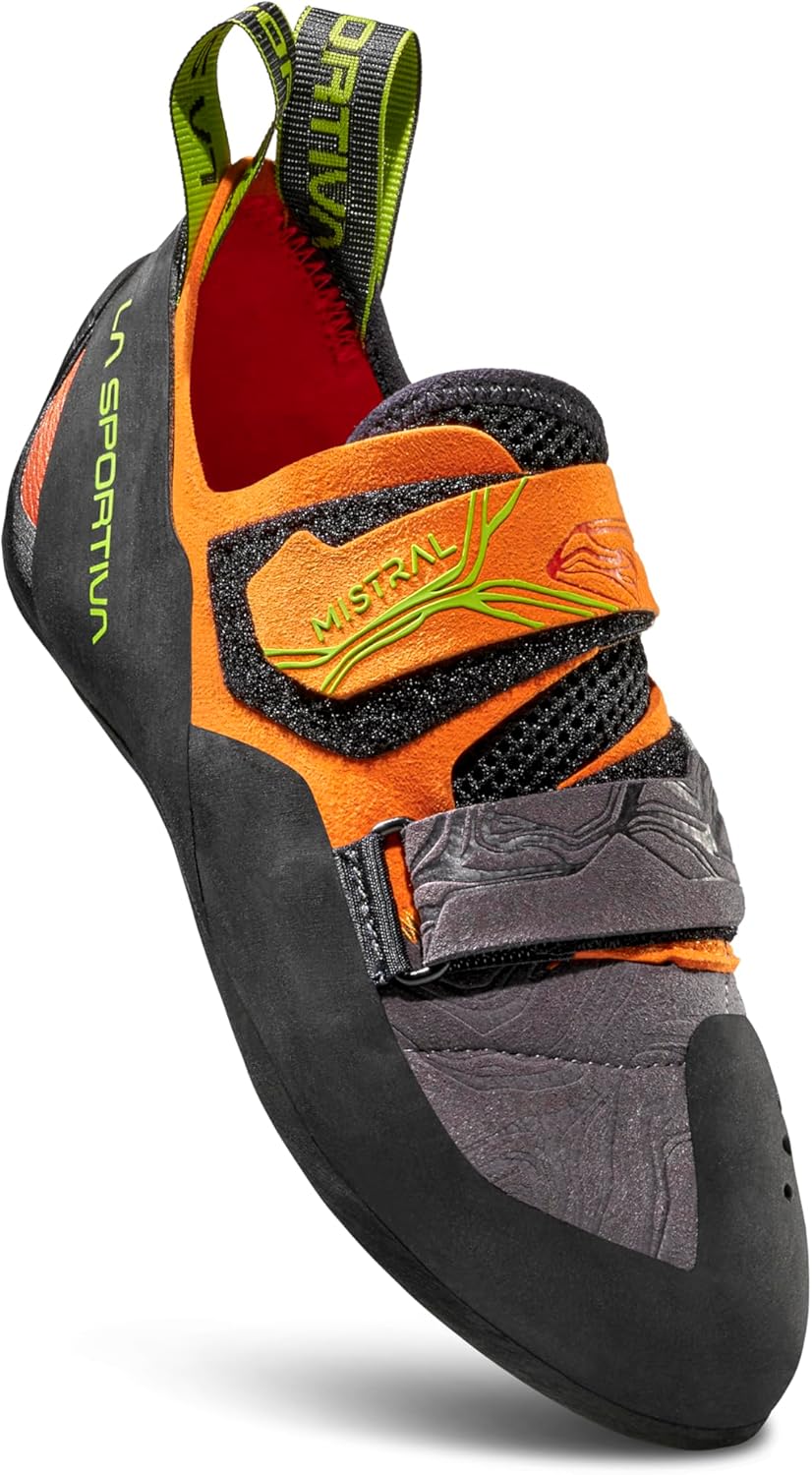


List of Best Outdoor Climbing Shoes Men

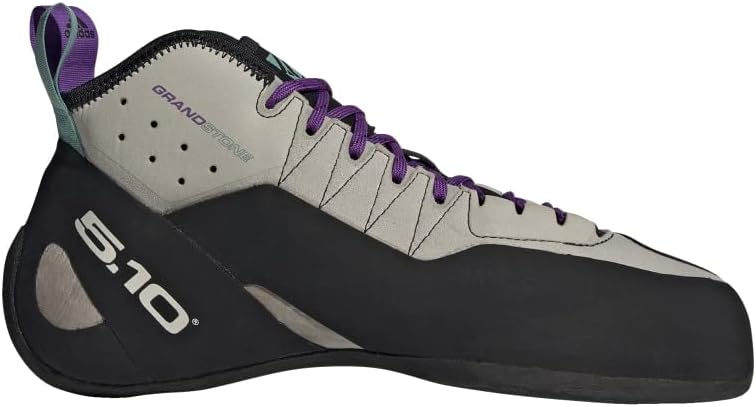


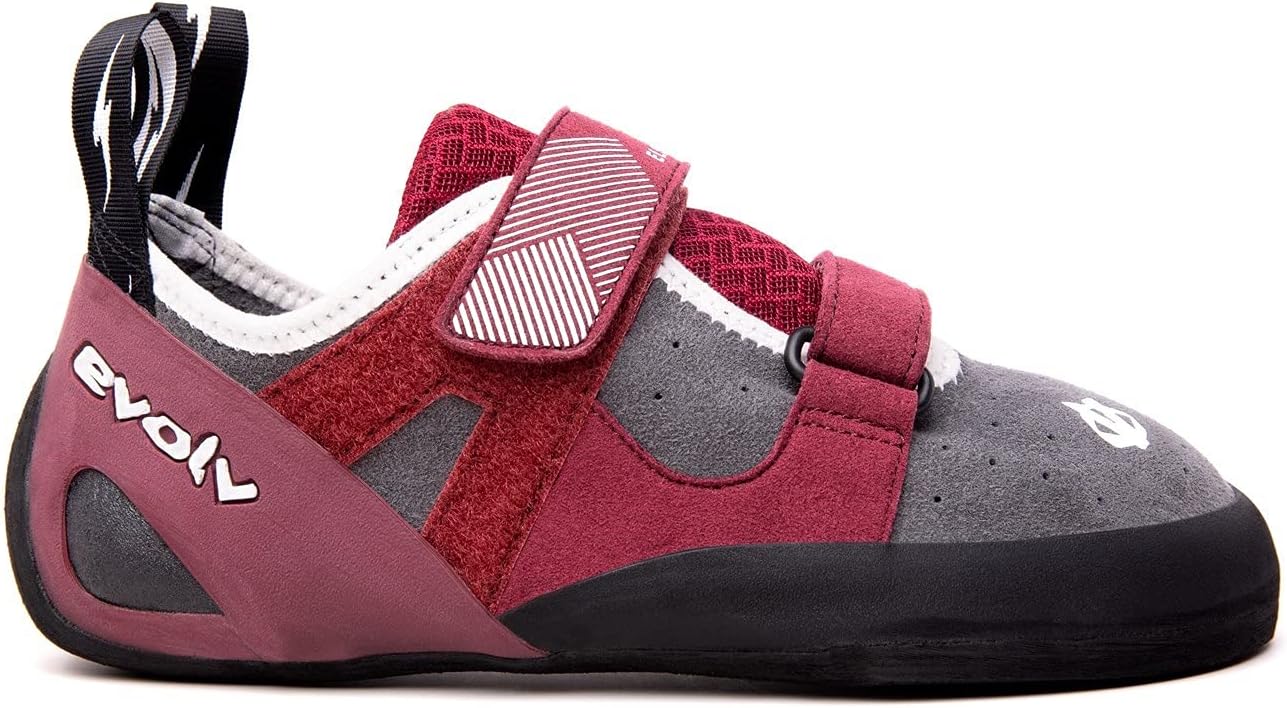
List of Best Outdoor Rock Climbing Shoes Women


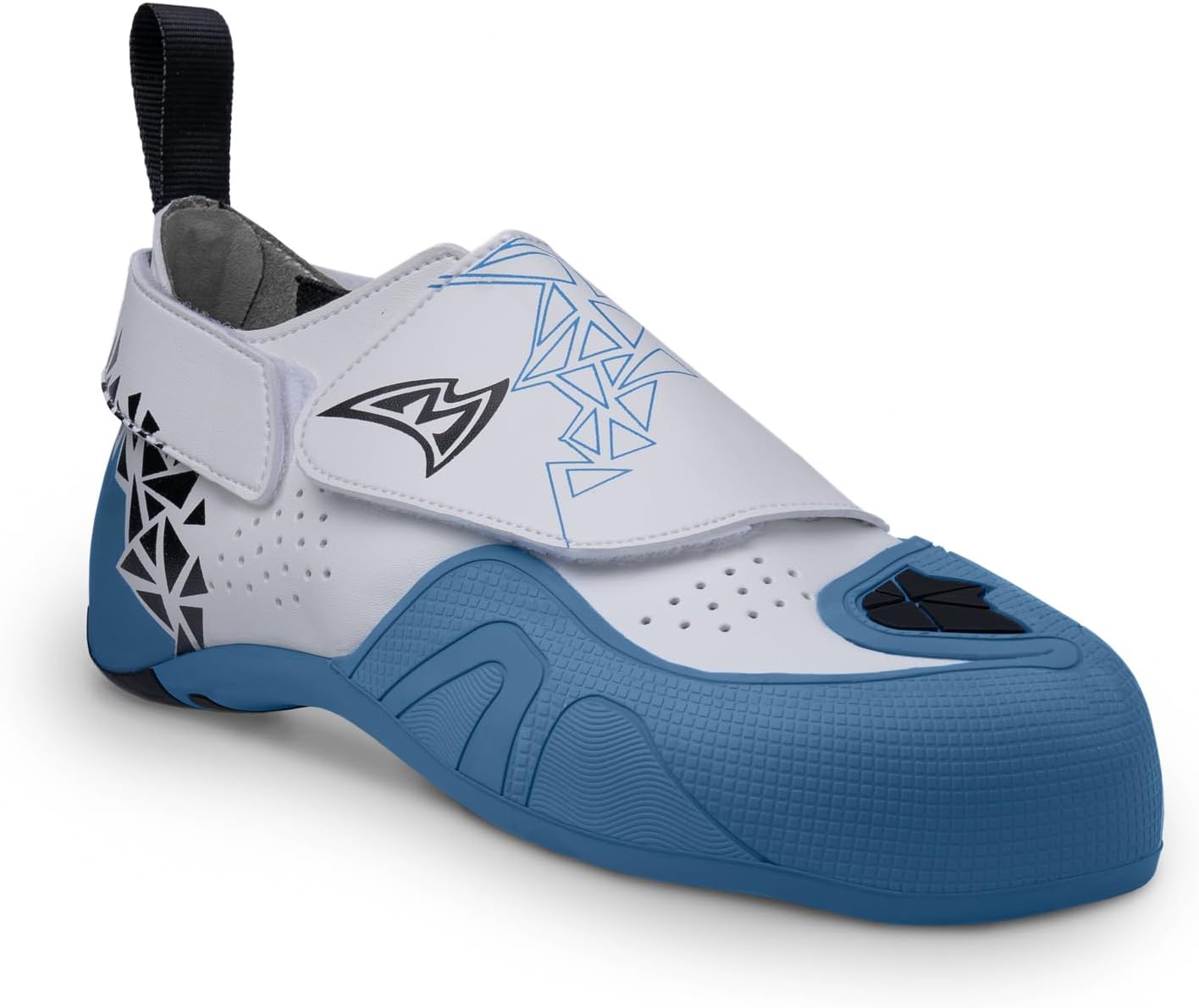
List of Best Kids Outdoor Rock Climbing Shoes


FAQ
When selecting outdoor climbing shoes, focus on fit, stiffness, and material. A snug fit enhances sensitivity for foot placements during climbs, while a stiffer sole provides better support for prolonged ascents. Additionally, consider the shoe's upper material; synthetic options often dry faster, which is beneficial in humid or wet environments.
The comfort of climbing shoes varies based on the fit and activity duration. Generally, you can wear them for several hours if they fit well, but expect some discomfort over extended wear, especially during high-intensity climbs or lengthy sessions in warm conditions. It's advisable to take breaks if you feel excessive pressure on your feet.
Men seeking outdoor climbing shoes should consider models that provide a balance of performance and comfort, such as those with aggressive rubber outsoles for traction and a secure fit for stability. Look for options designed for varied terrains, ensuring they perform well on both rock faces and in technical climbing scenarios.
Finding the right size involves trying on different brands, as sizing can vary. Generally, you should aim for a fit that's snug but not painfully tight, allowing for slight toe curling without significant discomfort. Remember to account for any potential stretching of materials after a few uses, particularly in leather shoes.
Outdoor climbing shoes are best suited for rocky terrains, including boulders and crags. For instance, when climbing at a popular outdoor venue like Yosemite, opt for shoes with a sticky rubber sole for enhanced grip on granite surfaces. Consider the climbing style you'll be engaging in, such as sport climbing or trad climbing, as it may influence your choice.
To maintain outdoor climbing shoes, regularly clean them by wiping off dirt and debris with a damp cloth after each use, especially if used in sandy or muddy areas. Store them in a cool, dry place, avoiding prolonged exposure to sunlight, which can degrade materials. Periodically check for wear on the soles and seams to ensure optimal performance.
For women, it's essential to choose climbing shoes that cater to narrower heels and a typically lower volume foot shape. Look for models designed specifically for female climbers, which offer features like a more contoured fit and softer materials to enhance comfort during all-day climbs in various outdoor settings.
When selecting climbing shoes for kids, prioritize lightweight designs with adjustable closures for growing feet. Look for shoes made from breathable materials that provide comfort and flexibility, allowing young climbers to maneuver easily during outdoor adventures. A durable outsole is crucial for ensuring adequate grip on varied surfaces.