Best Running Shoes
List of Best Running Shoes


List of Best Running Shoes For Men


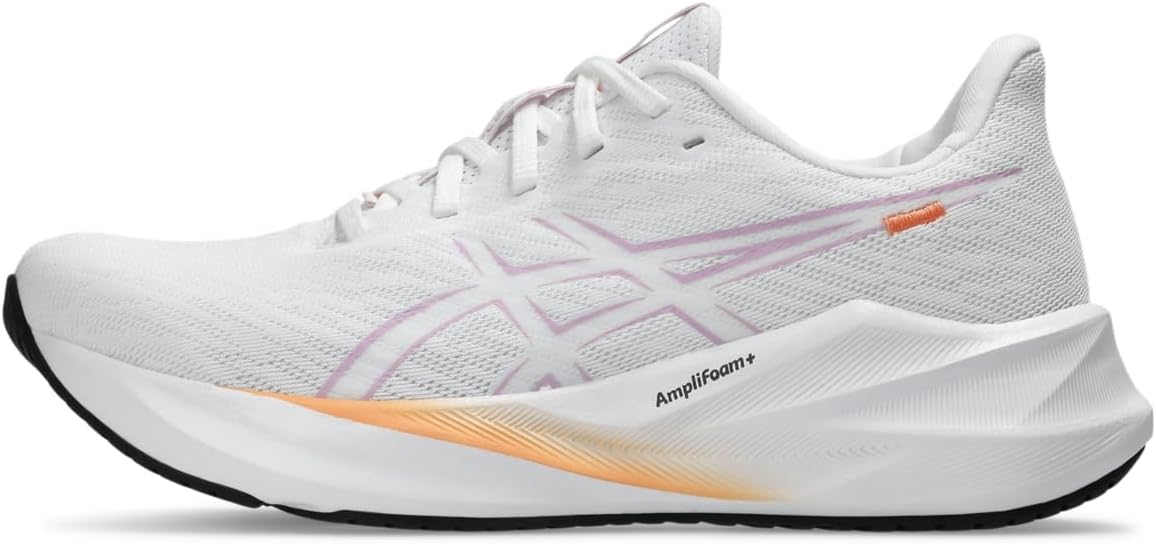
List of Best Running Shoes For Women




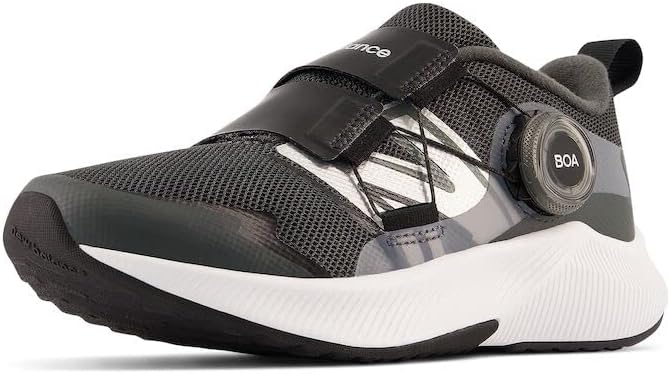
List of Best Running Shoes For Kids




FAQ
Running shoes are designed specifically to provide support, cushioning, and stability, tailored to the dynamics of running. Features like arch support and shock absorption minimize impact during high-intensity activities, making them crucial for both short sprints and long-distance runs.
Most quality running shoes should remain comfortable for up to 300-500 miles of use. However, this can vary depending on the shoe's cushioning and your foot mechanics; for instance, a shoe with good arch support will reduce fatigue during longer runs or races, such as marathons.
Men should focus on the type of terrain they plan to run on. Trail shoes typically offer more traction and durability for uneven surfaces, while road running shoes prioritize cushioning and a lightweight feel for smoother paths, ideal for asphalt or sidewalks.
To ensure a proper fit, measure your feet later in the day when they are slightly swollen. It's important to have about a thumb's width of space between your longest toe and the end of the shoe, which allows for comfort during extended runs without risking blisters or pinching.
Yes, if you're planning to run outdoors, look for shoes with durable outsoles that provide grip for varied surfaces like grass or trails. Meanwhile, shoes designed for indoor tracks often feature lighter materials for speed, sacrificing some durability for enhanced agility.
To prolong the lifespan of your running shoes, clean them regularly after use, especially if they've been worn on muddy or wet surfaces. Allow them to air dry naturally and avoid leaving them in direct sunlight, as excessive heat can deteriorate materials, affecting their performance.
Women’s running shoes often incorporate designs that cater to different foot shapes and biomechanics. This includes variations in heel height and cushioning, which can enhance comfort and reduce injury risk, making them suitable for various activities from casual jogs to competitive races.
When selecting running shoes for kids, prioritize flexibility and lightweight materials along with sufficient support for growing feet. Since children are likely to engage in varied activities—from soccer practice to casual play—look for shoes that can adapt well to multiple environments.