Best Sport Shoes
List of Best Sport Shoes

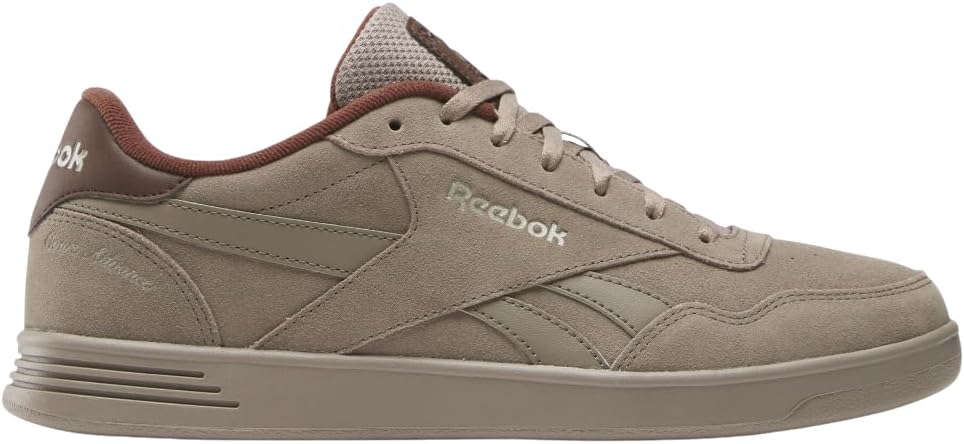

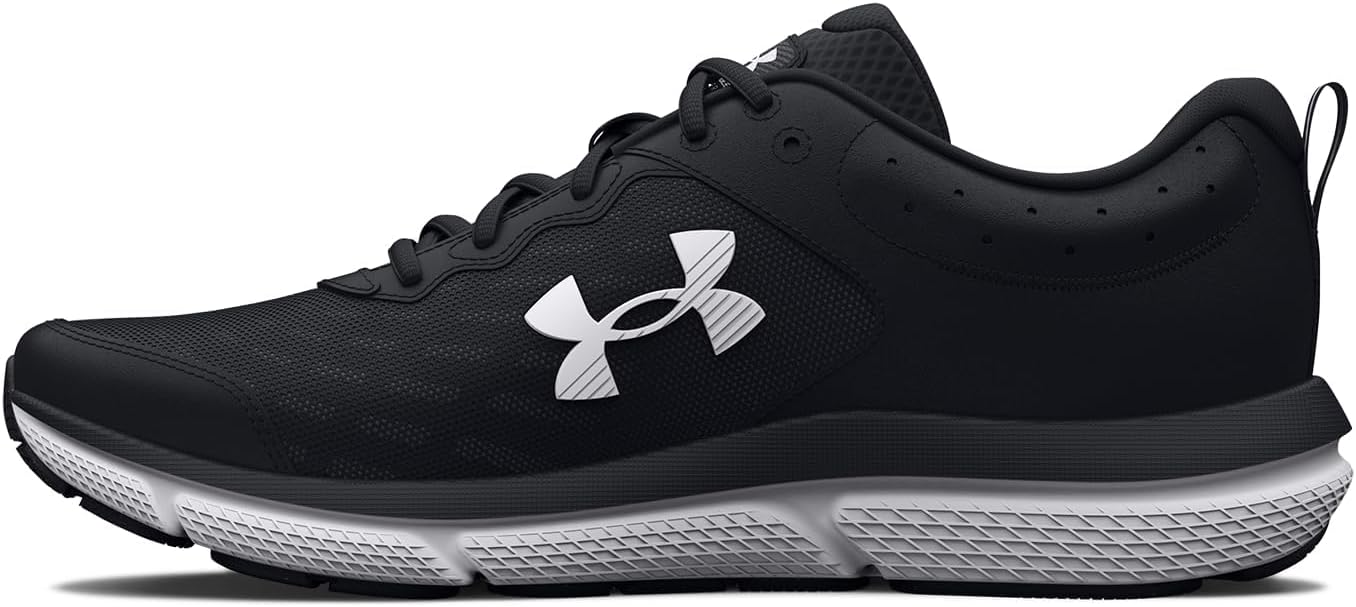


List of Best Men

List of Best Women
FAQ
Sport shoes are designed specifically to support the movements and activities associated with various sports. They provide crucial features like cushioning, stability, and traction that help in reducing the risk of injury while enhancing overall performance. For instance, a running shoe may offer lightweight materials for speed, while basketball shoes prioritize ankle support during lateral movements.
The comfort of sport shoes can vary based on their design and your activities. Typically, well-fitted shoes can be worn for several hours—ideal for activities such as walking or standing all day. However, if you're engaged in more dynamic movements, like running or playing sports, you'll want to ensure they provide adequate support to avoid fatigue over extended periods.
Women often have different foot shapes and biomechanics than men, which means they may require shoes with a more tailored fit. When selecting footwear, it's important to consider factors like arch support and heel height, particularly for activities like running or aerobics, where proper alignment can significantly impact performance and comfort.
To find the perfect fit, it’s advisable to measure your feet at the end of the day when they are most swollen. Always try on shoes with the type of socks you plan to wear during your activity. Ensure there's about a thumb's width of space between your longest toe and the front of the shoe, allowing for comfortable movement without feeling cramped.
Different styles of sport shoes are optimized for specific environments. For example, trail running shoes feature deeper treads for grip on uneven terrain, while court shoes are designed with non-marking soles for gym floors. Using appropriate footwear based on the venue can enhance safety and performance, whether you're navigating grass fields, indoor courts, or rugged trails.
To extend the life of your sport shoes, regularly clean them according to the manufacturer's instructions. Remove dirt and debris after each use, especially if you've been on outdoor terrains. It's also wise to let them air dry naturally if they get wet, avoiding direct sunlight or heat sources to prevent material degradation.
Cushioning acts as a shock absorbers, helping to reduce impact on joints during high-impact activities like running or jumping. Shoes with adequate cushioning can enhance comfort and performance, especially during prolonged sessions, diminishing the chances of discomfort or injuries such as shin splints or plantar fasciitis.