Best Trail Shoes
List of Best Trail Shoes


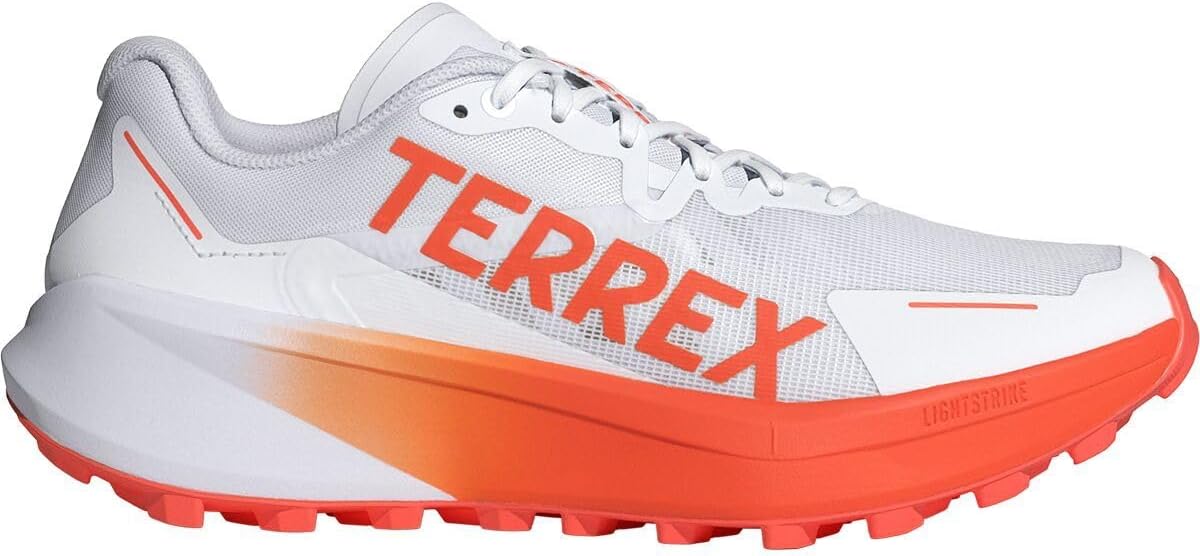
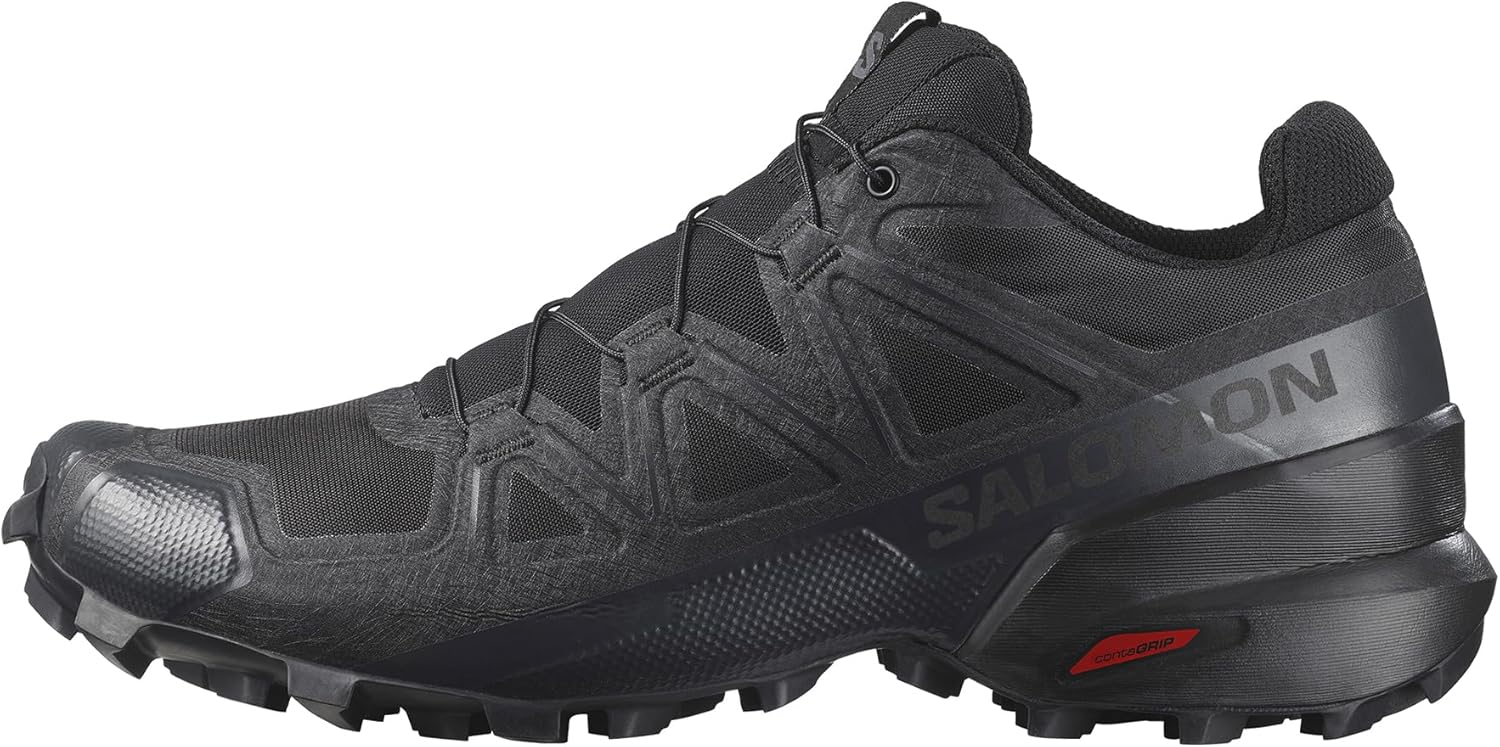
List of Best Men


FAQ
Trail shoes are designed specifically for uneven terrain, providing necessary grip and support. They often feature enhanced cushioning to absorb impact from rocks and roots, making them ideal for hiking, trail running, or walking on rugged paths.
When selecting trail shoes, focus on fit and cushioning. Consider trying them on with the socks you plan to wear during activities. A comfortable pair should allow for some foot swelling over a long hike or run while minimizing fatigue, even if you're navigating steep inclines.
Men should assess the type of activities they will engage in. For instance, lightweight models work well for running on smooth trails, while sturdier shoes are better suited for rocky or muddy environments. Always prioritize traction and stability based on your specific use case.
To find the right size, measure your foot length in the afternoon when it tends to swell slightly. It's recommended to try on shoes with the same type of socks you'll wear during hikes, ensuring there's a thumb's width of space between your longest toe and the shoe's end.
Yes, certain models come with water-resistant features or materials that help keep feet dry. If you're planning to hike or run in rainy weather or across muddy trails, look for shoes with aggressive tread patterns for better traction on slippery surfaces.
Proper care involves cleaning them after each use, especially if you've trekked through mud or sand. Remove insoles and let them air dry away from direct sunlight. Regularly check the outsole for signs of wear, as maintaining good traction is crucial for safety.
While designed for rugged environments, many trail shoes can double as casual footwear, particularly those that prioritize comfort and style. They're great for walks in the park or short urban hikes but may not provide the same level of breathability as sneakers.
In warmer months, look for models with breathable mesh uppers to help wick moisture and keep your feet cool. Adequate ventilation becomes essential, especially during long durations of activity, as it reduces the risk of blisters and discomfort on hot days.