Best Work Boots
List of Best Work Boots


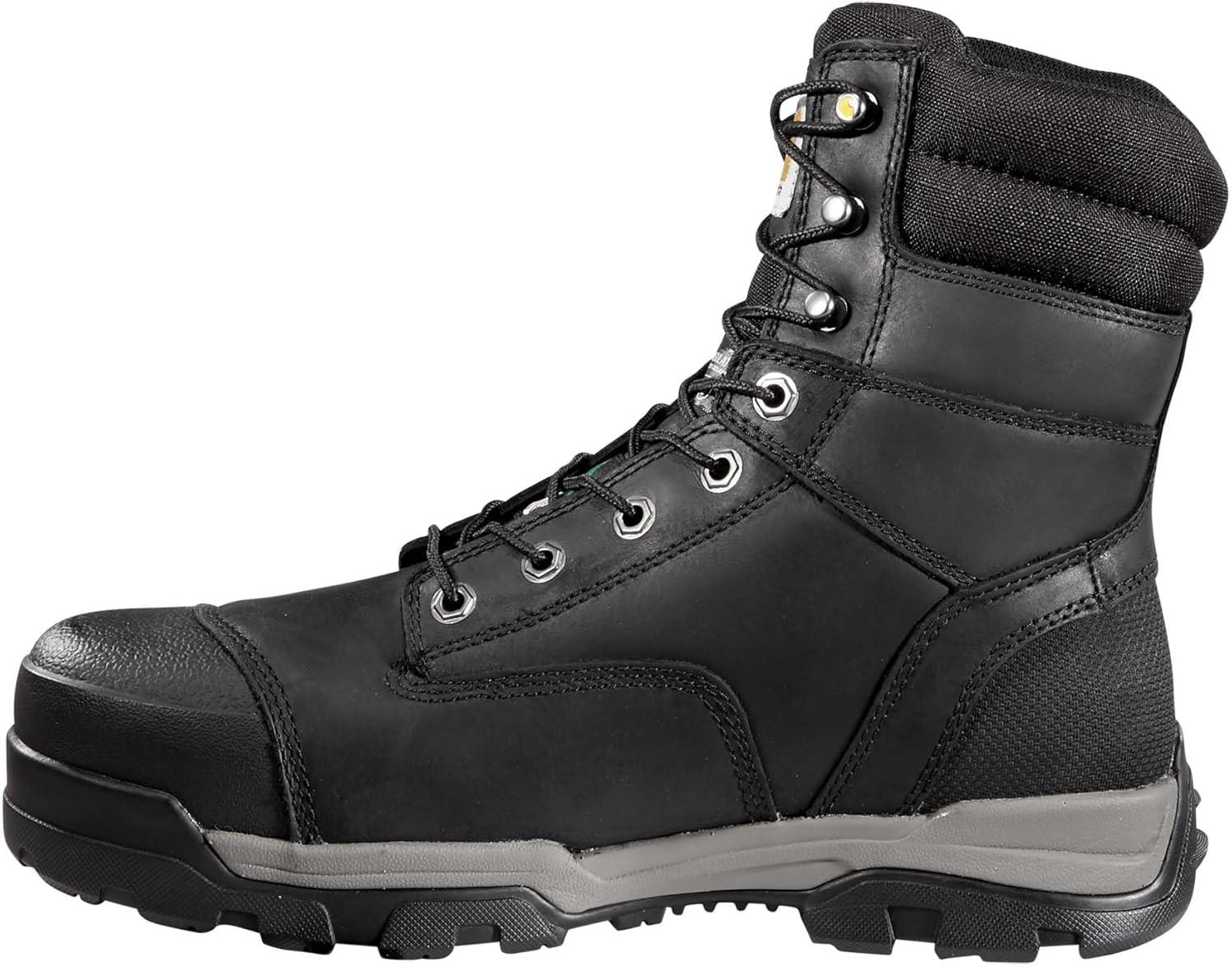
List of Best Work Boots For Men
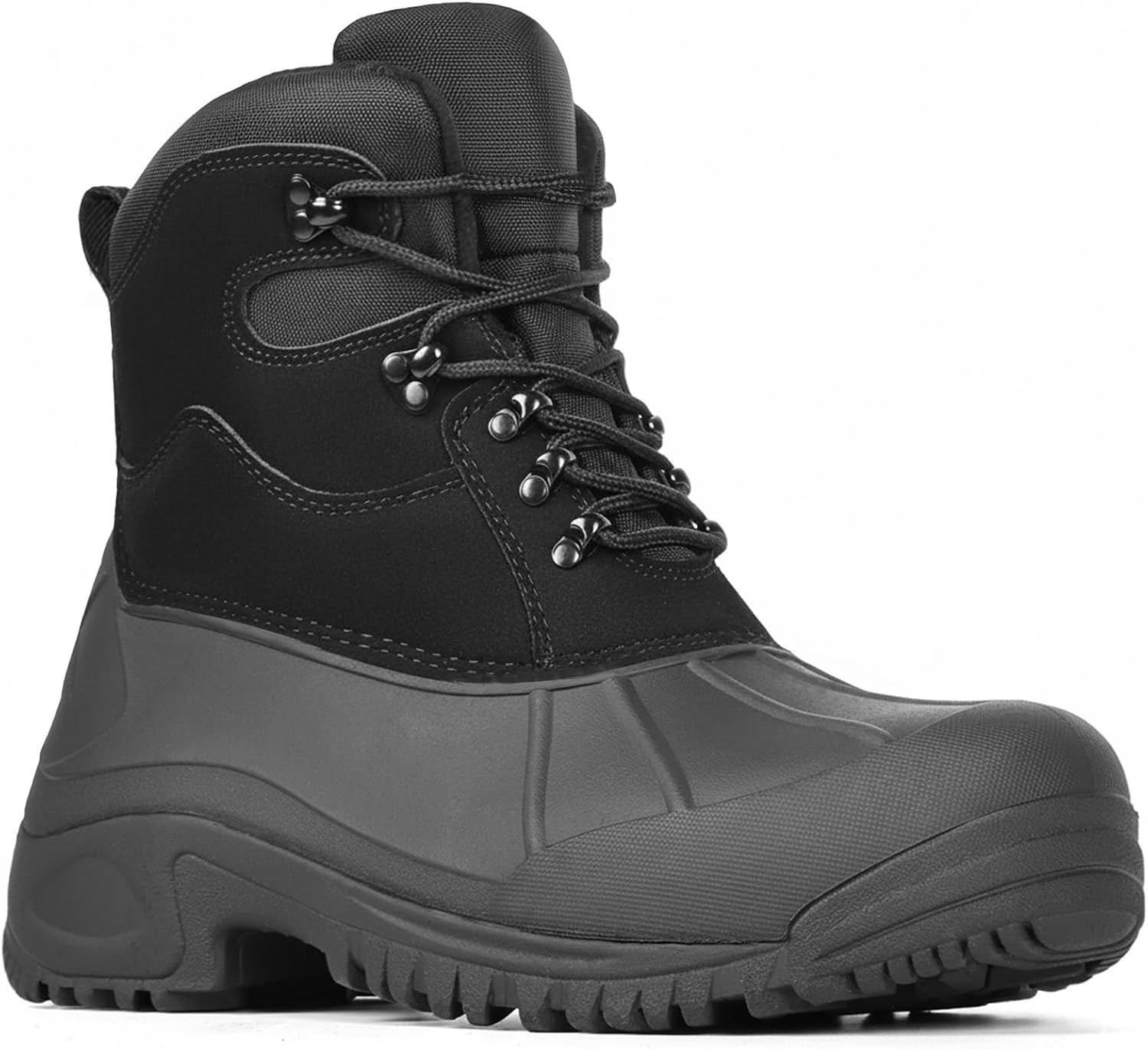


List of Best Work Boots For Women


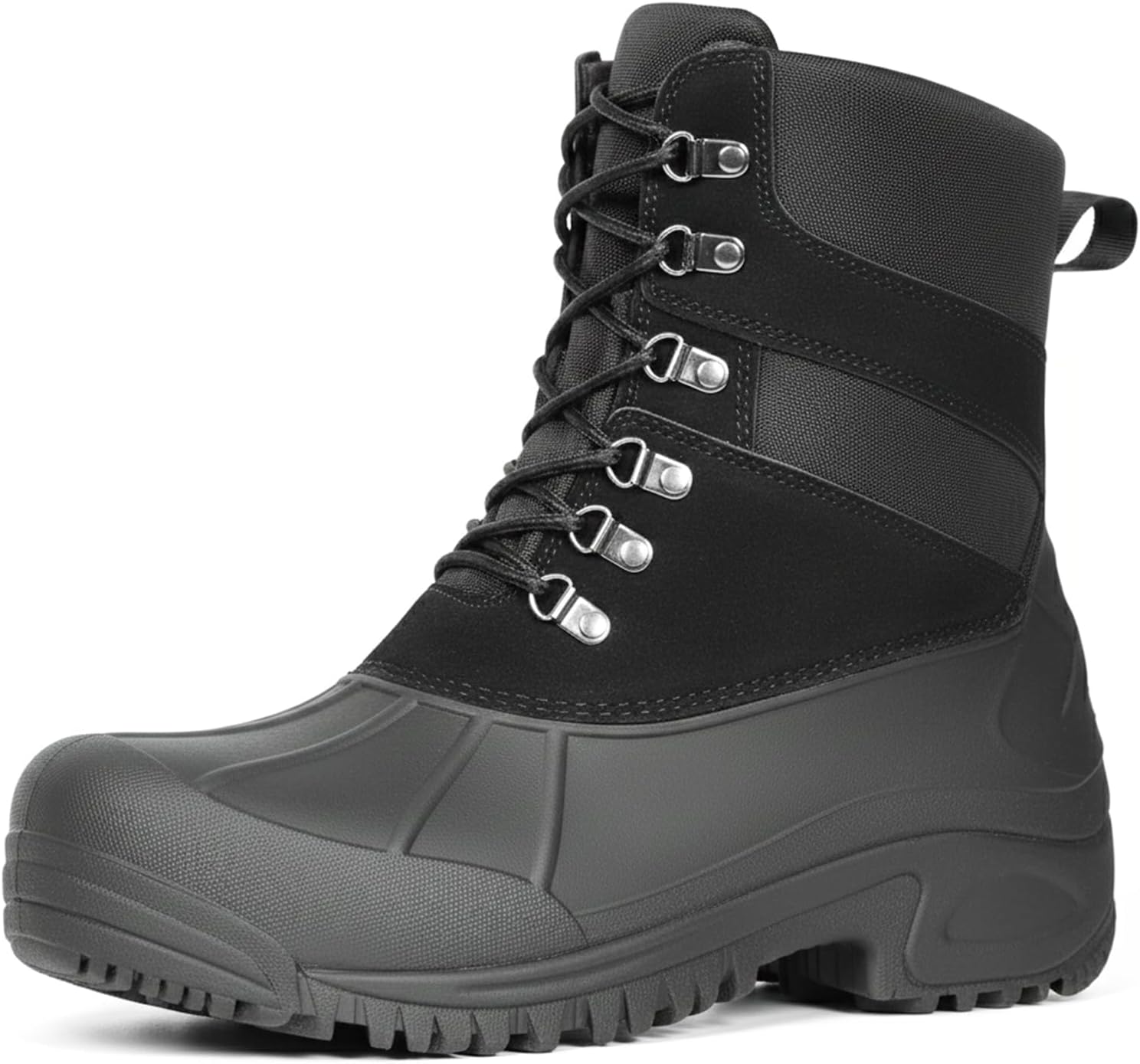
List of Best Work Boots Steel Toe


List of Best Work Boots Composite Toe
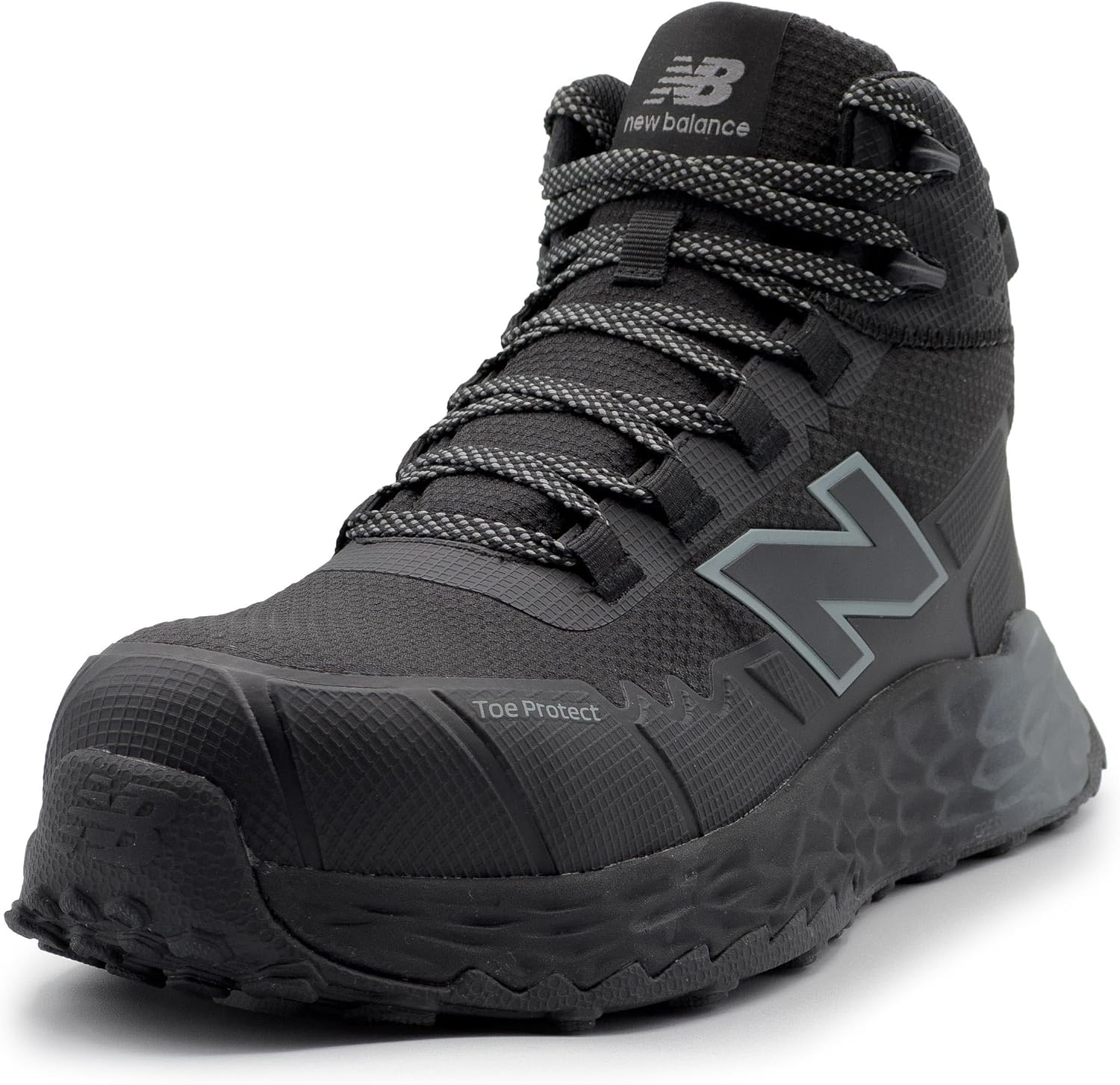


List of Best Work Boots Waterproof


FAQ
Quality work boots are designed to provide essential support, protection, and stability. Features like reinforced toes, slip-resistant soles, and moisture-wicking materials enhance safety during various tasks, whether you’re on a construction site or in a warehouse environment.
Most individuals find that they can wear good-quality work boots for an entire workday—typically 8 to 12 hours—without significant discomfort. Choosing options with cushioned insoles and breathable materials can help reduce fatigue, particularly in physically demanding roles.
Women often require work boots that cater to different foot shapes and sizes. It's important to look for styles that offer a snug fit without compromising comfort, especially if you'll be moving around a lot. Brands now increasingly offer ranges designed specifically for women, which address both aesthetics and functionality.
To achieve the best fit, measure your feet at the end of the day when they are slightly swollen. Make sure to try on boots with the socks you intend to wear. A proper fit should allow for some wiggle room but not be loose enough to cause blisters or instability while walking or standing.
Steel toe boots can provide excellent protection outdoors, but their suitability in wet conditions depends on their waterproofing. If you're working on a muddy job site or in the rain, opting for boots that include both steel toe protection and a waterproof membrane will keep your feet safe and dry.
Composite toe work boots are ideal for environments where metal detectors are used, such as airports or certain manufacturing settings. They also offer lighter weight and enhanced thermal insulation, making them comfortable for extended wear in various weather conditions.
To maintain waterproofing, clean your boots regularly using a damp cloth and mild soap. Apply a specialized waterproofing treatment occasionally, especially after exposure to mud or salt, to ensure that the material remains effective against moisture.
Waterproof boots are particularly beneficial in environments prone to wetness, such as construction sites, outdoor landscaping projects, or industrial kitchens. Keeping your feet dry not only enhances comfort but also prevents blisters and infections caused by prolonged moisture exposure.